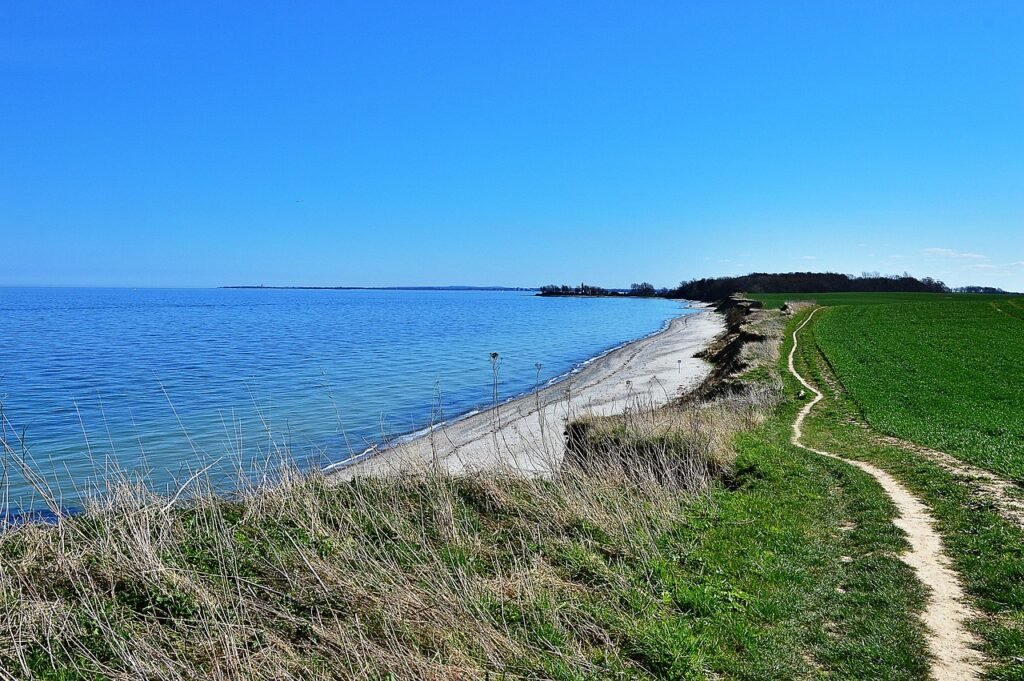
Imagine sinking your toes into warm, soft sand, the rhythmic crash of waves serenading your senses, and the salty tang of the sea air filling your lungs. Beaches, those captivating stretches of land where the ocean meets the shore, offer a potent mix of relaxation, recreation, and natural beauty. More than just a pretty view, beaches are vital ecosystems and treasured destinations for millions. This guide explores the diverse facets of beaches, from their formation and ecological significance to the array of activities they offer and how we can protect these coastal treasures.
The Formation of Beaches: A Dynamic Process
Beaches aren’t static; they’re ever-changing landscapes shaped by the relentless power of nature. Understanding their formation reveals the forces at play and helps us appreciate their delicate balance.
Wave Action and Sediment Transport
- Waves are the primary architects of beaches. As waves approach the shore, they erode coastal cliffs and rocks, breaking them down into smaller particles.
- These particles, including sand, pebbles, and shells, are transported by waves and currents.
- Longshore drift: A key process where waves approach the shore at an angle, creating a current that moves sediment along the coastline.
- Example: The Outer Banks of North Carolina are constantly reshaped by longshore drift, with sand accumulating on one end and eroding on the other.
Tidal Influence and Shoreline Shape
- Tides play a crucial role in determining the extent of the beach and the types of habitats that can thrive.
- High tide expands the beach area, while low tide reveals hidden treasures like tide pools.
- The shape of the shoreline, including bays, headlands, and estuaries, also influences beach formation and sediment deposition.
- Example: The Bay of Fundy in Canada, known for its extreme tides, exposes vast mudflats at low tide, attracting shorebirds and creating unique ecological niches.
Climate and Sea Level Changes
- Climate change and rising sea levels pose significant threats to beaches worldwide.
- Increased storm intensity and frequency accelerate erosion.
- Sea level rise can inundate low-lying beaches and coastal habitats.
- Statistics: According to the EPA, coastal erosion rates are accelerating in many parts of the world, leading to significant land loss and habitat destruction.
The Rich Ecology of Beach Ecosystems
Beaches are far more than just sand and water; they’re complex ecosystems teeming with life, playing a critical role in supporting biodiversity.
Shorebirds and Marine Life
- Beaches provide vital feeding and nesting grounds for a variety of shorebirds, such as sandpipers, plovers, and gulls.
- The intertidal zone, the area between high and low tide, is home to numerous invertebrates, including crabs, clams, and worms, which serve as food for larger animals.
- Example: Horseshoe crabs, ancient marine creatures, depend on beaches for spawning, laying their eggs in the sand at high tide.
Coastal Vegetation and Dune Stabilization
- Coastal plants, such as sea oats and beach grasses, play a critical role in stabilizing dunes and preventing erosion.
- Dunes act as natural barriers, protecting inland areas from storm surges and wave action.
- Example: Planting native vegetation on dunes is a common practice to enhance their stability and resilience.
The Importance of Kelp Forests
- Although not directly on the beach, kelp forests are vital to the health of many beach ecosystems.
- They provide shelter and food for a wide range of marine species.
- Decomposing kelp washes ashore, enriching the beach ecosystem and providing nutrients for coastal plants.
- Actionable Tip: Support initiatives that protect and restore kelp forests, as they benefit beach ecosystems in many ways.
Beach Activities and Recreation: Enjoying the Shoreline
Beaches offer a diverse range of recreational activities, making them popular destinations for tourists and locals alike.
Swimming, Sunbathing, and Surfing
- Swimming and sunbathing are classic beach activities, providing relaxation and enjoyment.
- Surfing enthusiasts seek out beaches with consistent waves, offering thrilling rides and challenging breaks.
- Safety Tip: Always check local conditions and heed warnings about currents, tides, and marine life.
Water Sports and Beach Games
- Kayaking, paddleboarding, and windsurfing are popular water sports that allow you to explore the coastline.
- Beach volleyball, frisbee, and other games provide fun and exercise for all ages.
- Example: Many beaches offer rentals and lessons for various water sports, making them accessible to beginners.
Coastal Walks and Nature Observation
- Take a leisurely stroll along the beach, enjoying the scenery and observing wildlife.
- Explore tide pools at low tide, discovering fascinating creatures and marine plants.
- Actionable Tip: Bring a pair of binoculars to enhance your wildlife observation experience.
Protecting Our Beaches: Conservation Efforts
Beaches are vulnerable to a range of threats, including pollution, erosion, and climate change. Conservation efforts are essential to protect these valuable ecosystems for future generations.
Reducing Pollution and Waste
- Plastic pollution is a major threat to beaches, harming marine life and degrading the environment.
- Participate in beach cleanups to remove litter and debris.
- Reduce your use of single-use plastics and support initiatives that promote recycling and waste reduction.
- Statistics: According to the Ocean Conservancy, plastic pollution kills an estimated 100,000 marine animals each year.
Managing Coastal Development
- Coastal development can disrupt natural processes and contribute to erosion.
- Support sustainable development practices that minimize impacts on beach ecosystems.
- Advocate for policies that protect coastal habitats and limit construction in vulnerable areas.
- Example: Implementing setback regulations that restrict building too close to the shoreline can help prevent erosion and protect dunes.
Supporting Climate Change Mitigation
- Climate change is a global threat that requires collective action.
- Reduce your carbon footprint by conserving energy, using public transportation, and supporting renewable energy sources.
- Advocate for policies that address climate change and promote sustainable practices.
- Actionable Tip: Calculate your carbon footprint and identify ways to reduce your impact on the environment.
Conclusion
Beaches are dynamic and vital ecosystems, offering a wealth of recreational opportunities and supporting a diverse array of life. Understanding their formation, appreciating their ecological significance, and actively participating in conservation efforts are crucial steps towards protecting these coastal treasures for future generations. By taking small steps like reducing plastic use, supporting responsible coastal development, and advocating for climate action, we can all contribute to the health and preservation of beaches worldwide. So, next time you visit the beach, remember the intricate web of life beneath your feet and the importance of safeguarding these precious environments.