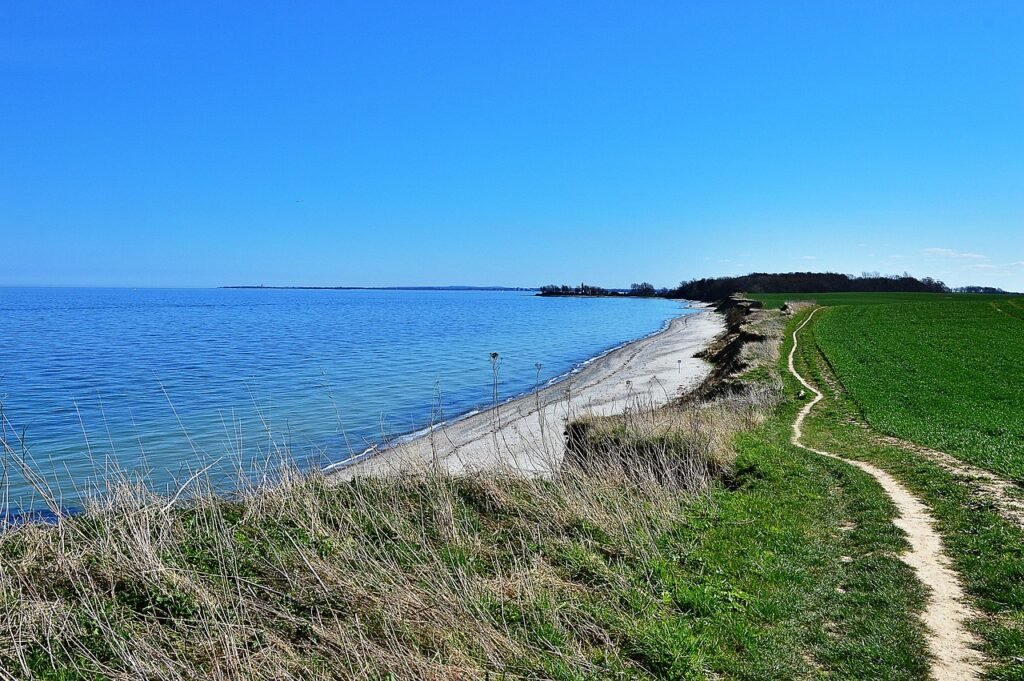
Sun, sand, and serenity – the allure of beaches is undeniable. From the rhythmic crashing of waves to the warmth of the sun on your skin, beaches offer an escape from the everyday. But beaches are more than just picturesque landscapes; they are dynamic ecosystems, recreational hubs, and economic drivers. This comprehensive guide will delve into the various facets of beaches, exploring their types, activities, environmental significance, and how to best enjoy them responsibly. Whether you’re a seasoned beach bum or a curious first-timer, get ready to dive deep into the wonderful world of beaches.
Exploring Different Types of Beaches
Beaches are incredibly diverse, each shaped by unique geological processes, climates, and biological activity. Understanding the different types of beaches allows you to appreciate their individual characteristics and tailor your beach experience accordingly.
Sandy Beaches
Sandy beaches are perhaps the most iconic and popular type of beach. Formed by the accumulation of eroded rock particles, often quartz, these beaches offer soft, comfortable surfaces for relaxation and recreation.
- Characteristics: Fine to coarse sand, gentle slopes, wide intertidal zones.
- Activities: Sunbathing, swimming, beach volleyball, building sandcastles.
- Examples: Waikiki Beach (Hawaii), Copacabana Beach (Rio de Janeiro).
Pebble Beaches
Instead of sand, pebble beaches are composed of rounded stones and rocks. These beaches can be visually stunning and offer a different tactile experience.
- Characteristics: Smooth, rounded stones, steeper slopes, less forgiving underfoot.
- Activities: Rock pooling, beachcombing, enjoying scenic views, listening to the unique sound of the waves.
- Examples: Chesil Beach (England), Pfeiffer Beach (California).
Shell Beaches
Unique and fascinating, shell beaches are primarily made up of broken or whole seashells. These beaches are often found in areas with abundant marine life and strong wave action.
- Characteristics: High shell concentration, varied shell shapes and sizes, often located near estuaries or lagoons.
- Activities: Shell collecting, photography, exploring marine life, enjoying the unique texture of the beach.
- Examples: Shell Beach (Shark Bay, Australia), Sanibel Island (Florida).
Volcanic Beaches
Dramatic and visually striking, volcanic beaches are formed from the erosion of volcanic rock. The sand is often black or dark gray, creating a stark contrast with the turquoise water.
- Characteristics: Dark-colored sand, often coarse, potential for geothermal activity nearby.
- Activities: Sunbathing, swimming (often with caution due to potential currents), exploring unique geological formations, stargazing due to low light pollution.
- Examples: Punalu’u Black Sand Beach (Hawaii), Reynisfjara Black Sand Beach (Iceland).
Beach Activities and Recreation
Beaches offer a wide array of activities, catering to diverse interests and fitness levels. Whether you seek adrenaline-pumping adventures or tranquil relaxation, there’s something for everyone at the beach.
Water Sports
The ocean is your playground! Beaches provide the perfect setting for various water sports.
- Surfing: Riding waves on a surfboard requires skill and balance. Popular surfing beaches offer lessons for beginners.
- Swimming: A classic beach activity, swimming provides a refreshing and invigorating experience. Be mindful of currents and lifeguard warnings.
- Snorkeling & Scuba Diving: Explore the underwater world and discover vibrant coral reefs and marine life.
- Kayaking & Paddleboarding: Enjoy a peaceful paddle along the coastline, taking in the scenic views.
- Windsurfing & Kitesurfing: Harness the power of the wind to glide across the water.
Land-Based Activities
Not all beach activities require getting wet. Plenty of fun can be had on the sand.
- Beach Volleyball: A popular team sport that combines athleticism and camaraderie.
- Sunbathing: Relax and soak up the sun’s rays. Remember to apply sunscreen regularly.
- Building Sandcastles: A timeless activity for all ages, sandcastle building allows for creativity and imagination.
- Beachcombing: Search for seashells, driftwood, and other treasures washed ashore.
- Picnics: Enjoy a meal with a view. Pack your favorite snacks and drinks.
Tips for Safe Beach Activities
- Always swim in designated swimming areas supervised by lifeguards.
- Be aware of rip currents and know how to escape them.
- Apply sunscreen with a high SPF and reapply frequently.
- Stay hydrated by drinking plenty of water.
- Wear appropriate footwear to protect your feet from hot sand and sharp objects.
- Be mindful of marine life and avoid disturbing their habitats.
The Environmental Significance of Beaches
Beaches are more than just recreational spaces; they are vital ecosystems that play a crucial role in protecting coastlines and supporting biodiversity.
Coastal Protection
Beaches act as natural buffers against storms and erosion.
- Wave Energy Absorption: Sandy beaches absorb wave energy, reducing the impact of waves on inland areas.
- Dune Formation: Sand dunes provide a natural barrier against storm surges and rising sea levels.
- Erosion Control: Beaches help to stabilize coastlines by preventing erosion caused by wind and waves.
Habitat for Wildlife
Beaches provide habitat for a diverse range of plants and animals.
- Nesting Sites: Many species of sea turtles and seabirds rely on beaches for nesting.
- Feeding Grounds: Shorebirds and other animals forage for food in the intertidal zone.
- Nurseries: Some fish and invertebrate species use beaches as nurseries for their young.
The Impact of Pollution
Pollution poses a significant threat to beach ecosystems.
- Plastic Pollution: Plastic debris can harm marine life and degrade the aesthetic value of beaches. It is estimated that 8 million tons of plastic enter the ocean each year.
- Chemical Pollution: Runoff from agriculture and industry can contaminate beach waters and harm marine organisms.
- Oil Spills: Oil spills can devastate beach ecosystems and have long-lasting impacts on marine life.
Conservation Efforts
Protecting beaches requires collective action.
- Beach Cleanups: Participating in beach cleanups helps to remove litter and debris.
- Sustainable Tourism: Choosing eco-friendly accommodations and activities can minimize your impact on the environment.
- Supporting Conservation Organizations: Donating to or volunteering with organizations that work to protect beaches.
- Responsible Waste Disposal: Properly dispose of trash and recycle whenever possible.
Planning Your Perfect Beach Trip
A successful beach trip requires careful planning and preparation. Here are some tips to ensure a memorable and enjoyable experience.
Choosing the Right Beach
Consider your interests and preferences when selecting a beach.
- Family-Friendly Beaches: Look for beaches with calm waters, shallow depths, and amenities such as playgrounds and restrooms.
- Adventure Beaches: Choose beaches with opportunities for surfing, diving, or hiking.
- Relaxation Beaches: Opt for secluded beaches with soft sand and minimal crowds.
- Consider accessibility: Ensure the beach is accessible for all members of your group.
Essential Items to Pack
Don’t forget these essential items for a comfortable and safe beach trip.
- Sunscreen: Protect your skin from the sun’s harmful rays.
- Sunglasses: Shield your eyes from glare.
- Hat: Provide shade and protect your face and neck.
- Towel: A must-have for drying off after swimming.
- Swimsuit: Choose a comfortable and supportive swimsuit.
- Beach Umbrella or Tent: Provide shade and protection from the sun.
- Water Bottle: Stay hydrated throughout the day.
- Snacks: Pack your favorite snacks to keep your energy levels up.
- First-Aid Kit: Be prepared for minor injuries.
- Beach Toys: For children (or adults!) to enjoy playing in the sand.
Beach Etiquette
Respect the environment and other beachgoers by following these etiquette guidelines.
- Leave No Trace: Pack out everything you pack in.
- Respect Wildlife: Avoid disturbing marine life or their habitats.
- Keep Noise Levels Down: Be mindful of other beachgoers and avoid playing loud music.
- Dispose of Trash Properly: Use designated trash receptacles or take your trash with you.
- Respect Personal Space: Give other beachgoers plenty of space to relax and enjoy the beach.
Conclusion
Beaches are truly remarkable places, offering a wealth of opportunities for recreation, relaxation, and exploration. They are also vital ecosystems that require our protection. By understanding the different types of beaches, engaging in responsible activities, and practicing good beach etiquette, we can ensure that these precious resources are preserved for future generations. So, grab your sunscreen, pack your beach towel, and get ready to experience the magic of the beach! Remember to leave only footprints and take only memories.