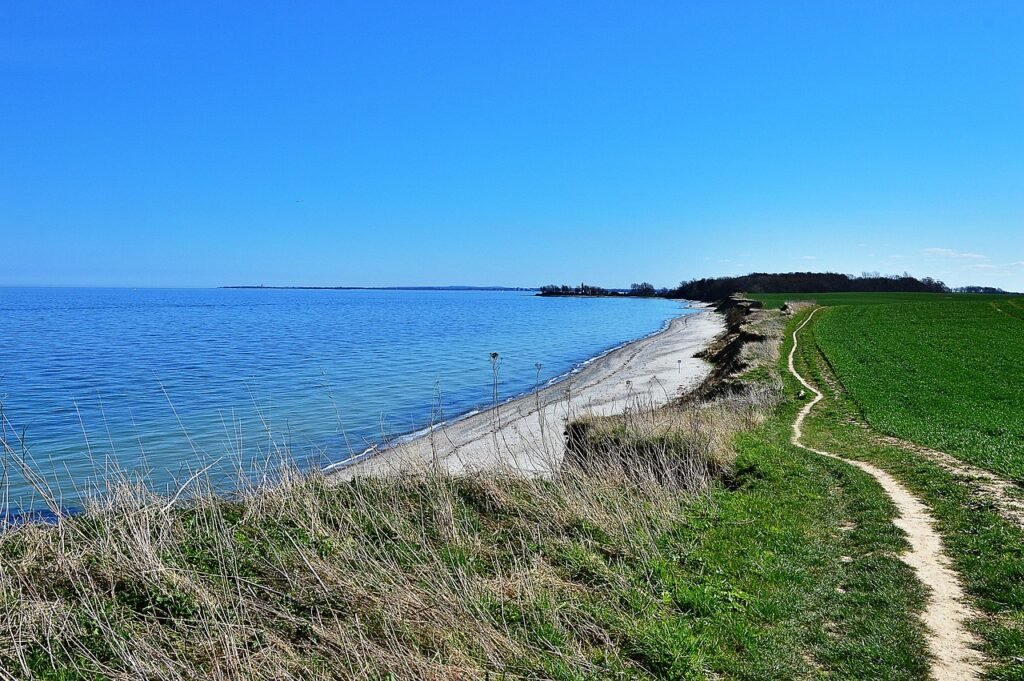
Imagine the soft caress of sand between your toes, the rhythmic symphony of waves crashing against the shore, and the sun warming your skin. Beaches are more than just picturesque landscapes; they’re dynamic ecosystems offering a wealth of recreational activities, crucial habitats, and significant economic contributions. From tranquil hidden coves to bustling tourist destinations, the allure of the beach is undeniable. This guide will explore the multifaceted world of beaches, diving into their formation, ecology, recreational uses, and the vital role they play in our lives.
The Formation and Types of Beaches
Understanding how beaches are formed and classified helps us appreciate their diversity and fragility. They are dynamic landscapes constantly reshaped by natural forces.
How Beaches are Formed
Beaches are primarily formed by the accumulation of sediment along a coastline. This sediment can consist of various materials, including:
- Sand: The most common component, originating from eroded rocks and shells.
- Gravel: Larger particles resulting from more intense weathering.
- Shells: Fragments of marine organisms.
- Volcanic material: Found in regions with volcanic activity (e.g., black sand beaches of Hawaii).
The process of beach formation involves several key factors:
- Erosion: The breakdown of rocks and other materials by wind, water, and ice.
- Transportation: The movement of sediment by rivers, waves, and currents.
- Deposition: The settling of sediment in areas where wave energy is reduced.
Wave action plays a crucial role in sorting and distributing sediment, shaping the beach profile. Tides also influence the extent of the beach that is exposed or submerged.
Types of Beaches
Beaches are classified based on several characteristics, including sediment composition, location, and wave energy:
- Sandy Beaches: Predominantly composed of sand grains. These are the most common type of beach and are often popular for recreation. Example: South Beach, Miami.
- Pebble Beaches: Consisting of rounded pebbles or stones. They can be less comfortable for sunbathing but offer unique aesthetic appeal. Example: Chesil Beach, UK.
- Shell Beaches: Made up almost entirely of shells or shell fragments. These are often found in areas with abundant marine life. Example: Shell Beach, Shark Bay, Australia.
- Rocky Beaches: Characterized by exposed bedrock and large boulders. They are often found in areas with high wave energy and are less suitable for swimming but can be rich in intertidal life. Example: Acadia National Park, Maine.
- Black Sand Beaches: Formed from volcanic rock that has been eroded into fine black sand. Example: Punalu’u Black Sand Beach, Hawaii.
- Tropical Beaches: Commonly associated with coral reefs, offering clear turquoise waters and diverse marine life. Example: Beaches of the Maldives.
Beach Ecology and Wildlife
Beaches are not just recreational spaces; they are vital ecosystems supporting a diverse array of plant and animal life. Understanding beach ecology is crucial for conservation efforts.
Intertidal Zone
The intertidal zone, also known as the littoral zone, is the area of the beach that is submerged during high tide and exposed during low tide. This harsh environment supports specialized organisms adapted to fluctuating conditions.
- Organisms: Starfish, sea anemones, barnacles, crabs, and various species of algae are commonly found in the intertidal zone.
- Adaptations: These organisms have developed unique adaptations to survive wave action, desiccation, and temperature changes. For example, barnacles have a hard shell to protect themselves from drying out, and sea anemones can retract their tentacles to avoid damage from waves.
Coastal Vegetation
Coastal vegetation plays a vital role in stabilizing beaches, preventing erosion, and providing habitat for wildlife. Common types of coastal plants include:
- Dune grasses: Such as sea oats and American beach grass, which have extensive root systems that bind sand together.
- Salt-tolerant shrubs: Including sea lavender and beach elder, which can withstand high levels of salt spray and soil salinity.
- Mangrove forests: In tropical and subtropical regions, mangrove trees provide important nursery habitats for fish and protect coastlines from storm surge.
Actionable Takeaway: Protect coastal vegetation by staying on designated paths and avoiding trampling plants. Participate in beach cleanup efforts to remove debris that can harm plant life.
Marine Life
Beaches are closely connected to the marine environment and support a wide range of marine life, including:
- Shorebirds: Such as sandpipers, plovers, and gulls, which feed on invertebrates in the sand and mudflats.
- Sea turtles: Nest on sandy beaches, laying their eggs in the sand.
- Marine mammals: Such as seals and dolphins, which occasionally visit beaches to rest or hunt.
- Fish: Various species of fish inhabit nearshore waters and rely on beaches as nursery grounds.
Interesting Fact: Many beaches are nesting sites for endangered sea turtles. It’s important to observe nesting turtles from a distance and avoid disturbing their nests.
Recreational Activities on Beaches
Beaches offer a wide array of recreational activities, catering to diverse interests and age groups.
Water Sports
The ocean provides the perfect setting for various water sports:
- Swimming: A classic beach activity, but always check water conditions and swim in designated areas.
- Surfing: Riding waves on a surfboard requires skill and practice. Popular surfing destinations include California, Hawaii, and Australia.
- Stand-up Paddleboarding (SUP): A relaxing way to explore the coastline and get a workout.
- Kayaking: An adventurous way to discover hidden coves and sea caves.
- Snorkeling and Diving: Exploring underwater reefs and marine life.
Tip: Always wear appropriate safety gear, such as life jackets and sunscreen, and be aware of currents and tides.
Beach Games and Relaxation
For those who prefer to stay on the sand, there are plenty of options:
- Volleyball: A popular team sport that can be enjoyed by people of all ages.
- Frisbee: A casual and fun activity for individuals or groups.
- Sandcastle building: A creative and engaging activity for children and adults alike.
- Sunbathing: Relaxing on the beach and soaking up the sun.
- Beachcombing: Searching for seashells, sea glass, and other treasures washed up by the tide.
Other Activities
Beyond traditional beach activities, there are many other ways to enjoy the coastal environment:
- Fishing: Many beaches offer opportunities for surf fishing or pier fishing.
- Birdwatching: Observing and identifying coastal bird species.
- Photography: Capturing the beauty of the beach landscape and wildlife.
- Hiking: Exploring coastal trails and enjoying panoramic views.
- Picnics: Enjoying a meal with family and friends on the beach.
The Economic Importance of Beaches
Beaches are not only valuable for recreation and ecology but also contribute significantly to the economy.
Tourism and Revenue
Beaches are major tourist attractions, drawing visitors from around the world. This influx of tourists generates revenue for local businesses and governments through:
- Accommodation: Hotels, resorts, and vacation rentals.
- Restaurants and cafes: Serving local cuisine and international dishes.
- Shops and markets: Selling souvenirs, beach gear, and local products.
- Tours and activities: Offering guided tours, water sports rentals, and other recreational experiences.
According to a report by the National Ocean Economics Program, coastal tourism contributes billions of dollars to the U.S. economy annually.
Real Estate Values
Proximity to beaches often increases the value of real estate. Coastal properties command higher prices due to their desirable location and scenic views.
- Residential properties: Homes, apartments, and condos near beaches are highly sought after.
- Commercial properties: Businesses such as hotels, restaurants, and shops benefit from their coastal location.
Fisheries and Seafood
Beaches support fisheries and seafood industries, providing livelihoods for fishermen and supplying seafood to local and international markets.
- Commercial fishing: Harvesting fish, shellfish, and other marine resources.
- Aquaculture: Farming of aquatic organisms in coastal areas.
Actionable Takeaway: Support local businesses and sustainable fishing practices when visiting beach communities.
Protecting Our Beaches
Beaches face numerous threats, including pollution, erosion, and climate change. Protecting these valuable ecosystems is essential for future generations.
Pollution
Pollution can have devastating effects on beach ecosystems and human health. Common sources of pollution include:
- Plastic waste: Plastic bottles, bags, and other debris that can harm marine life.
- Sewage: Untreated or poorly treated sewage that contaminates water.
- Chemical runoff: Fertilizers and pesticides from agricultural areas that pollute coastal waters.
- Oil spills: Accidental releases of oil that can damage marine habitats and wildlife.
Actionable Takeaway: Reduce your use of single-use plastics, dispose of waste properly, and support policies that promote clean water.
Erosion
Beach erosion is a natural process, but it can be accelerated by human activities such as:
- Coastal development: Construction of buildings and infrastructure that disrupts natural sediment transport.
- Dredging: Removal of sediment from coastal areas for navigation or construction purposes.
- Climate change: Rising sea levels and increased storm intensity.
Mitigation Strategies:
- Beach nourishment: Adding sand to eroded beaches.
- Construction of seawalls and groins: Structures that protect coastlines from wave action (though these can have negative impacts on adjacent beaches).
- Restoration of coastal vegetation: Planting dune grasses and mangroves to stabilize shorelines.
Climate Change
Climate change poses a significant threat to beaches worldwide due to:
- Sea-level rise: Inundating low-lying coastal areas and eroding beaches.
- Increased storm intensity: Causing more frequent and severe coastal flooding and erosion.
- Ocean acidification: Affecting marine life, including coral reefs, which protect coastlines.
Actionable Takeaway: Support policies that address climate change, reduce greenhouse gas emissions, and promote sustainable development.
Conclusion
Beaches are multifaceted environments that offer recreational opportunities, support diverse ecosystems, and contribute significantly to the economy. Understanding their formation, ecology, and the threats they face is crucial for their protection. By adopting sustainable practices, reducing pollution, and addressing climate change, we can ensure that these valuable coastal resources continue to thrive for generations to come. Let’s all do our part to protect and preserve the beaches we love.