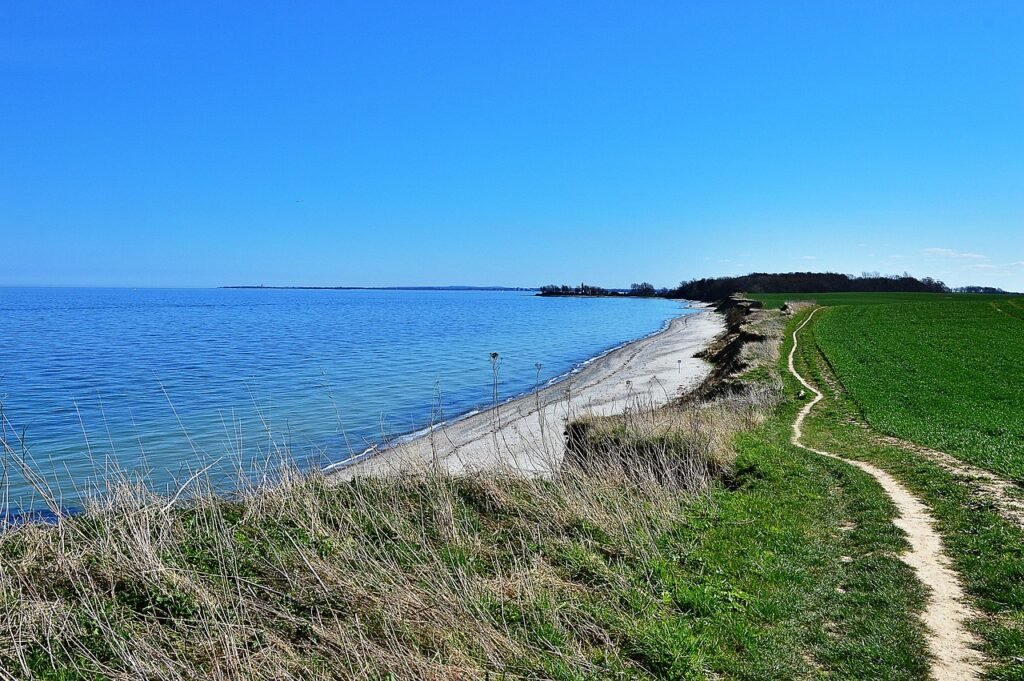
Beaches. The very word conjures images of sun-kissed skin, the rhythmic crash of waves, and the salty tang of sea air. Whether you’re seeking thrilling water sports, serene relaxation, or breathtaking natural beauty, beaches offer something for everyone. This guide delves into the diverse world of beaches, exploring their formation, environmental importance, recreational activities, and how to choose the perfect beach for your next getaway.
The Formation and Types of Beaches
Coastal Processes Shaping Beaches
Beaches are dynamic environments constantly shaped by natural forces. Understanding these processes reveals the fascinating story behind every grain of sand.
- Wave Action: The primary sculptor, waves erode cliffs, transport sediment, and deposit sand along the shore. Different wave types (constructive vs. destructive) either build up or break down the beach.
- Tidal Influences: Tides determine the intertidal zone, the area between high and low tide marks, influencing the types of organisms that can thrive there and the amount of beach exposed at different times.
- Longshore Currents: These currents run parallel to the shore, transporting sand along the coastline and contributing to the formation of spits and barrier islands.
- Wind Action: Wind can both deposit and erode sand, creating dunes and influencing the overall shape of the beach.
- River Input: Rivers carry sediment from inland areas to the coast, providing a significant source of sand for many beaches. For example, the Nile River Delta in Egypt has significantly shaped the coastline of the Mediterranean Sea.
Different Types of Beaches Based on Composition
Beaches are not all created equal. Their composition varies widely depending on the local geology and environmental conditions. Here are some key types:
- Sandy Beaches: The most common type, composed primarily of quartz sand. The color ranges from white (e.g., Hyams Beach, Australia) to golden brown (e.g., Copacabana Beach, Brazil) depending on the mineral content.
- Pebble Beaches: Characterized by rounded stones instead of sand. These beaches are often found in areas with strong wave action. A great example is Chesil Beach in the UK.
- Shell Beaches: Made up of fragments of shells. These are often found near areas with abundant marine life. Sanibel Island in Florida is famous for its shell beaches.
- Volcanic Beaches: Found near volcanoes, these beaches are composed of dark volcanic rock fragments. Punalu’u Black Sand Beach in Hawaii is a stunning example.
- Coral Beaches: Composed of eroded coral fragments, these beaches are typically white or pink and found in tropical regions. Horseshoe Bay in Bermuda is a prime example.
The Ecological Importance of Beaches
Beaches as Habitats
Beaches are not just places for recreation; they’re also vital ecosystems supporting a diverse range of life.
- Nesting Sites for Sea Turtles: Many sea turtle species rely on sandy beaches for nesting. Protecting these beaches is crucial for their survival. For example, Kemp’s Ridley sea turtles primarily nest on the beaches of Mexico.
- Shorebird Habitats: Beaches provide foraging and resting grounds for various shorebird species. Migratory birds often rely on beaches as critical stopover points during their long journeys.
- Intertidal Organisms: A variety of creatures, such as crabs, clams, and barnacles, inhabit the intertidal zone, adapted to the fluctuating water levels.
- Dune Ecosystems: Sand dunes behind beaches provide habitat for specialized plants and animals, also acting as a natural barrier against coastal erosion.
Protecting Coastal Ecosystems
Beaches face numerous threats, and conservation efforts are essential to protect their ecological integrity.
- Pollution: Plastic waste, oil spills, and other pollutants can harm marine life and degrade beach ecosystems.
- Coastal Development: Building too close to the shoreline can destroy habitats and increase erosion.
- Climate Change: Rising sea levels and increased storm intensity threaten to inundate and erode beaches.
- Overuse: Excessive foot traffic and recreational activities can damage fragile ecosystems.
Actionable Takeaway: Support organizations dedicated to beach cleanups and coastal conservation. Reduce your plastic consumption and properly dispose of waste when visiting beaches.
Recreational Activities on Beaches
Popular Beach Activities
Beaches offer a wide array of activities for all interests and fitness levels.
- Swimming and Sunbathing: Classic beach activities for relaxation and enjoying the sun. Remember to always use sunscreen and be aware of water conditions and rip currents.
- Surfing and Bodyboarding: Riding the waves is a thrilling experience. Popular surfing beaches include Waikiki Beach in Hawaii and Bells Beach in Australia.
- Snorkeling and Scuba Diving: Explore the underwater world and discover colorful coral reefs and marine life. The Great Barrier Reef in Australia and the Red Sea in Egypt are world-renowned diving destinations.
- Beach Volleyball and Football: Organize a friendly game with friends and family.
- Kite Surfing and Windsurfing: Harness the power of the wind for an exhilarating experience. Cabarete in the Dominican Republic is a popular kite surfing spot.
- Fishing: Many beaches offer excellent fishing opportunities. Check local regulations and obtain necessary licenses.
Beach Safety Tips
Prioritizing safety ensures an enjoyable and incident-free beach experience.
- Swim in designated areas with lifeguard supervision.
- Be aware of rip currents and know how to escape them (swim parallel to the shore).
- Protect yourself from the sun with sunscreen, hats, and sunglasses.
- Stay hydrated by drinking plenty of water.
- Be cautious of marine life, such as jellyfish and stingrays.
- Supervise children closely at all times.
- Never swim alone.
Choosing the Perfect Beach for Your Getaway
Factors to Consider
Selecting the ideal beach depends on your individual preferences and travel goals.
- Location: Consider accessibility, proximity to other attractions, and the overall atmosphere of the surrounding area.
- Amenities: Check for facilities such as restrooms, showers, restaurants, and parking.
- Water Conditions: Evaluate water temperature, wave size, and the presence of currents.
- Crowd Levels: Decide whether you prefer a secluded beach or a lively, bustling environment.
- Activities: Choose a beach that offers the activities you enjoy, such as surfing, snorkeling, or simply relaxing.
- Budget: Consider the cost of accommodation, transportation, and activities in the area.
Beach Recommendations Based on Preferences
Here are some beach suggestions based on different travel styles:
- For Families: Clearwater Beach, Florida (USA) – Known for its calm waters, playgrounds, and family-friendly activities.
- For Surfers: Trestles, California (USA) – A legendary surfing spot with consistent waves.
- For Relaxation: Anse Source d’Argent, Seychelles – A stunningly beautiful beach with granite boulders and turquoise waters.
- For Snorkeling: Hanauma Bay, Hawaii (USA) – A protected marine reserve with vibrant coral reefs and abundant marine life.
- For Adventure Seekers: Whitehaven Beach, Australia – Pristine white sand and crystal-clear water, perfect for exploring by boat or kayak.
Conclusion
Beaches are more than just picturesque destinations; they are dynamic ecosystems, recreational havens, and vital components of our planet’s coastal environment. By understanding the forces that shape them, appreciating their ecological importance, and practicing responsible tourism, we can ensure that these beautiful and valuable resources are preserved for generations to come. So, pack your sunscreen, grab your towel, and explore the wonderful world of beaches!