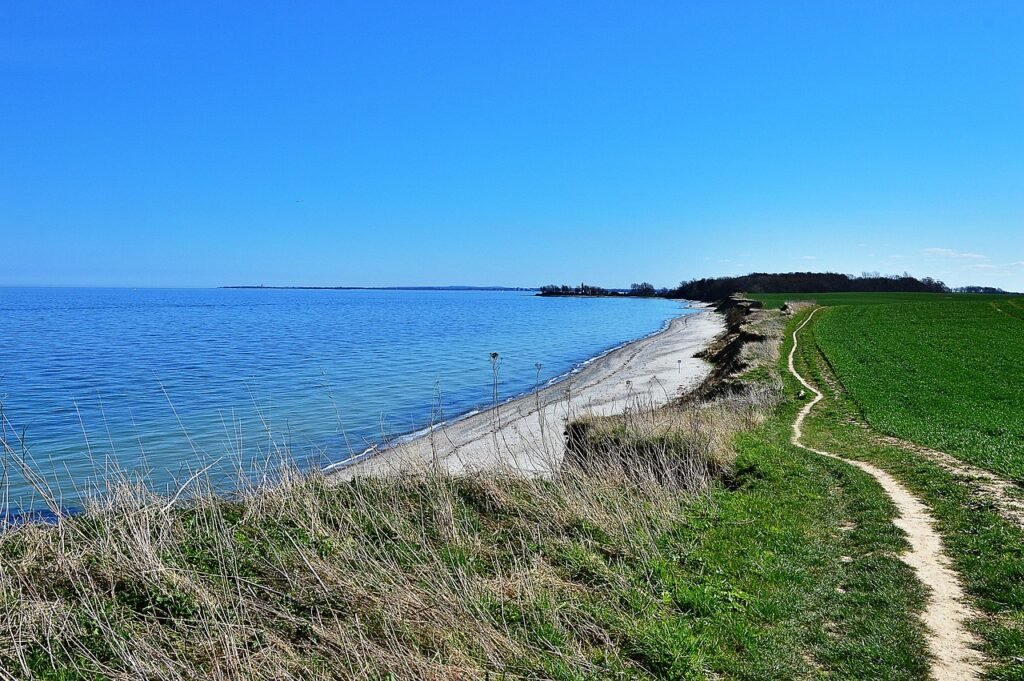
Imagine sinking your toes into warm sand, the gentle sound of waves crashing against the shore, and the sun kissing your skin. Beaches hold a universal appeal, offering a sanctuary for relaxation, adventure, and connection with nature. From secluded coves to bustling boardwalks, these coastal havens provide a diverse range of experiences for every traveler. This comprehensive guide explores the allure of beaches, delving into their various types, activities, and essential tips for planning the perfect beach getaway.
Types of Beaches and Their Unique Characteristics
Sandy Beaches
Sandy beaches are perhaps the most iconic and popular type. Characterized by fine grains of sand, they offer ideal conditions for sunbathing, building sandcastles, and playing beach volleyball.
- Formation: Formed by the erosion of rocks and shells over thousands of years, the sand’s composition can vary widely, influencing its color and texture.
- Examples:
White Sands National Park, New Mexico, USA: Known for its dazzling white gypsum sand.
Hyams Beach, Australia: Boasts some of the whitest sand in the world.
- Considerations: Sand can get very hot under the sun, so wear appropriate footwear. Pack a beach blanket or towel for comfortable lounging.
Pebble Beaches
Pebble beaches are characterized by smooth, rounded stones instead of sand. While not ideal for sunbathing directly, they offer a unique aesthetic and soundscape as the waves roll over the pebbles.
- Formation: Formed by strong wave action that erodes and rounds off rocks over time.
- Examples:
Chesil Beach, Dorset, England: A dramatic 18-mile long shingle beach.
Black Pebble Beach, Iceland: Offers striking volcanic rock formations.
- Considerations: Walking on pebbles can be challenging, so wear sturdy shoes. They are often quieter and less crowded than sandy beaches.
Rocky Beaches
Rocky beaches are characterized by large rocks and boulders, offering dramatic scenery and opportunities for tide pooling and exploring marine life.
- Formation: Formed by the erosion of cliffs and headlands.
- Examples:
Big Sur, California, USA: Offers stunning coastal cliffs and rocky coves.
Acadia National Park, Maine, USA: Features rugged granite coastline.
- Considerations: Requires caution when exploring due to slippery surfaces and potential for falling rocks. Bring a pair of water shoes.
Shell Beaches
Shell beaches are composed predominantly of shells, offering a unique and beautiful landscape.
- Formation: Formed by the accumulation of shells carried in by the tides and currents.
- Examples:
Shell Beach, Shark Bay, Australia: Covered in millions of tiny white cockle shells.
Sanibel Island, Florida, USA: Famous for its diverse collection of seashells.
- Considerations: Shells can be sharp, so wear sturdy shoes. Check local regulations regarding shell collecting.
Beach Activities: Fun in the Sun and Sea
Swimming and Water Sports
Beaches are perfect for swimming, surfing, paddle boarding, kayaking, and other water sports.
- Swimming: Always swim within designated areas and be aware of currents and tides.
- Surfing: Choose a beach with suitable wave conditions and consider taking a lesson if you’re a beginner.
- Paddle Boarding and Kayaking: Explore the coastline at your own pace, enjoying the scenery and spotting wildlife.
- Example: Waikiki Beach in Hawaii is world-renowned for its surfing. The Outer Banks in North Carolina are popular for windsurfing and kitesurfing.
Relaxation and Sunbathing
Many people visit beaches simply to relax, soak up the sun, and unwind.
- Sun Safety: Always wear sunscreen with a high SPF, wear sunglasses, and seek shade during peak hours to protect your skin from harmful UV rays.
- Reading and Mindfulness: Bring a good book, practice mindfulness, or simply enjoy the sounds of the ocean.
- Example: Grace Bay Beach in Turks and Caicos is known for its calm, crystal-clear waters, perfect for relaxation.
Beach Games and Activities
Beaches provide a fantastic setting for various games and activities.
- Beach Volleyball: Organize a game with friends or join a local team.
- Frisbee and Kite Flying: Enjoy classic beach games suitable for all ages.
- Sandcastle Building: Unleash your creativity and build elaborate sand structures.
- Example: Copacabana Beach in Rio de Janeiro is famous for its vibrant beach culture and lively games.
Wildlife Observation and Nature Walks
Many beaches are home to diverse wildlife, offering opportunities for observation and exploration.
- Birdwatching: Observe seabirds and migratory species along the coastline.
- Tide Pooling: Explore tide pools at low tide to discover marine creatures such as starfish, crabs, and sea anemones.
- Nature Trails: Many beaches have nearby nature trails that offer scenic views and opportunities to learn about the local flora and fauna.
- Example: Point Pelee National Park in Ontario, Canada is a prime location for bird watching due to it’s peninsular location.
Essential Beach Gear: What to Pack for a Perfect Day
Sun Protection
Protecting yourself from the sun is crucial for a safe and enjoyable beach experience.
- Sunscreen: Choose a broad-spectrum sunscreen with an SPF of 30 or higher and reapply every two hours or after swimming.
- Sunglasses: Wear sunglasses with UV protection to shield your eyes from harmful rays.
- Hats: A wide-brimmed hat provides shade for your face, neck, and ears.
- Example: Brands like Sun Bum and Thinksport are known for their reef-safe sunscreens.
Comfort and Convenience
Bringing the right items can enhance your comfort and convenience.
- Beach Towel or Blanket: Choose a quick-drying and lightweight towel or a comfortable beach blanket.
- Beach Chair or Lounger: Provides a comfortable place to sit and relax.
- Cooler: Keep drinks and snacks cold throughout the day.
- Water Bottle: Stay hydrated by bringing a reusable water bottle.
- Example: Many beaches offer chair and umbrella rentals for added convenience.
Safety and First Aid
Be prepared for minor injuries and emergencies.
- First Aid Kit: Include bandages, antiseptic wipes, pain relievers, and any personal medications.
- Water Shoes: Protect your feet from sharp rocks or hot sand.
- Whistle: Useful for signaling for help in an emergency.
- Example: Consider packing a small waterproof bag to protect your electronics from water damage.
Beach Safety: Staying Safe in the Sun and Surf
Water Safety
Understanding water conditions and following safety guidelines is essential.
- Swim in Designated Areas: Only swim in areas supervised by lifeguards.
- Be Aware of Currents and Tides: Pay attention to signs and warnings about rip currents and strong tides.
- Never Swim Alone: Always swim with a buddy.
- Example: The United States Lifesaving Association (USLA) provides valuable information on beach safety.
Sun Safety
Protecting yourself from the sun’s harmful rays is crucial.
- Apply Sunscreen Regularly: Reapply sunscreen every two hours, even on cloudy days.
- Seek Shade During Peak Hours: Limit your exposure to the sun between 10 AM and 4 PM.
- Stay Hydrated: Drink plenty of water throughout the day.
- Example: Look for shade provided by umbrellas, trees, or beach structures.
Wildlife Safety
Respecting wildlife and avoiding encounters is important.
- Observe from a Distance: Do not approach or feed wild animals.
- Be Aware of Marine Life: Watch out for jellyfish, stingrays, and other potentially dangerous creatures.
- Follow Posted Guidelines: Adhere to any regulations regarding wildlife protection.
- Example: Florida Fish and Wildlife Conservation Commission provides information on marine life safety.
Responsible Beach Tourism: Protecting Our Coastal Ecosystems
Minimizing Waste
Reducing waste and properly disposing of trash is essential for maintaining clean beaches.
- Bring Reusable Items: Use reusable water bottles, containers, and shopping bags.
- Pack Out All Trash: Dispose of all trash in designated receptacles or take it with you.
- Avoid Single-Use Plastics: Reduce your consumption of single-use plastics such as straws and plastic bags.
- Example: Participate in beach cleanups to help remove litter and debris.
Protecting Wildlife and Habitats
Respecting wildlife and their habitats is crucial for conservation.
- Avoid Disturbing Wildlife: Do not approach, feed, or disturb animals.
- Stay on Designated Trails: Avoid trampling vegetation or disturbing nesting areas.
- Leave No Trace: Minimize your impact on the environment by leaving it as you found it.
- Example: Support organizations that are dedicated to beach conservation.
Supporting Local Communities
Choosing to support local businesses and initiatives can have a positive impact.
- Shop at Local Stores: Purchase souvenirs and supplies from local vendors.
- Dine at Local Restaurants: Sample regional cuisine and support local businesses.
- Respect Local Culture: Be mindful of local customs and traditions.
- Example: Participate in tours or activities that are led by local guides.
Conclusion
Beaches offer a unique blend of relaxation, adventure, and connection with nature. Whether you’re seeking a tranquil escape, thrilling water sports, or opportunities to explore marine life, there’s a beach out there waiting to be discovered. By understanding the different types of beaches, packing essential gear, prioritizing safety, and practicing responsible tourism, you can ensure a memorable and sustainable beach experience. So, pack your bags, grab your sunscreen, and get ready to soak up the sun and embrace the beauty of the coast.