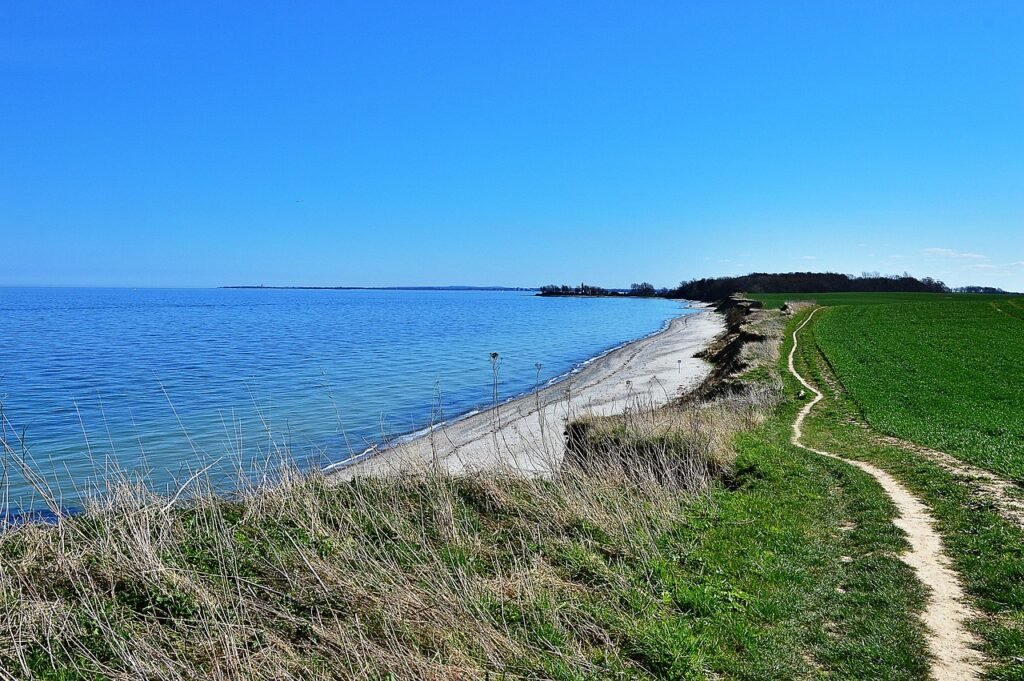
Imagine sinking your toes into warm, soft sand, the rhythmic crash of waves serenading your senses, and the salty air invigorating your spirit. Beaches. They’re more than just stretches of sand and surf; they’re havens of relaxation, adventure, and connection with nature. Whether you’re seeking a tranquil escape or an adrenaline-pumping water sport experience, the world’s beaches offer something for everyone. Let’s dive into the allure of beaches and explore what makes them so captivating.
The Allure and Benefits of Visiting Beaches
Beaches have captivated humanity for centuries, offering a unique blend of natural beauty and recreational opportunities. The appeal extends beyond mere aesthetics; beaches provide tangible benefits for our physical and mental well-being.
Physical Health Benefits
Visiting a beach can significantly improve your physical health in numerous ways:
- Vitamin D Boost: Sunlight exposure helps your body produce Vitamin D, essential for bone health and immune function. Remember to use sunscreen responsibly!
- Exercise Opportunities: From swimming and surfing to beach volleyball and simply walking along the shore, beaches provide ample opportunities for physical activity.
- Improved Sleep: The fresh air and natural sounds of the ocean can promote relaxation and improve sleep quality. A study published in the “Journal of Environmental Psychology” found that spending time near water can reduce stress and improve mood, leading to better sleep.
- Saltwater Therapy: Saltwater has natural antiseptic properties and can help heal minor cuts and scrapes. It’s also believed to have benefits for skin conditions like eczema.
Mental and Emotional Well-being
The psychological benefits of spending time at the beach are equally compelling:
- Stress Reduction: The sound of waves crashing, the vastness of the ocean, and the warm sun can have a calming effect on the mind, reducing stress and anxiety.
- Improved Mood: Studies show that being near water can release endorphins, natural mood boosters that promote feelings of happiness and well-being.
- Mindfulness and Meditation: The repetitive rhythm of the waves can create a meditative state, helping you to focus on the present moment and clear your mind.
- Connection with Nature: Beaches offer a chance to reconnect with the natural world, fostering a sense of awe and appreciation for the environment.
Exploring Different Types of Beaches
Not all beaches are created equal. Their characteristics vary widely based on geography, geology, and climate. Understanding these differences can help you choose the perfect beach for your next vacation.
Sandy Beaches
Sandy beaches are the most common type, formed by the accumulation of sand particles eroded from rocks and shells over thousands of years.
- White Sand Beaches: Typically found in tropical regions, white sand beaches are composed of finely ground coral and shells. Examples include beaches in the Caribbean and the Maldives.
- Golden Sand Beaches: These beaches are characterized by their golden hue, resulting from the presence of iron oxide in the sand. You can find them in regions like the Mediterranean and parts of California.
- Black Sand Beaches: Volcanic activity creates black sand beaches, composed of basalt particles. Iceland, Hawaii, and the Canary Islands are known for their striking black sand beaches.
Pebble Beaches
Pebble beaches are covered with smooth, rounded stones instead of sand. These beaches often offer dramatic scenery and unique geological features.
- Formation: Pebble beaches are formed by the relentless action of waves eroding and rounding rocks over time.
- Examples: Chesil Beach in Dorset, England, is a famous example of a long, narrow pebble beach.
Rocky Beaches
Rocky beaches feature large rock formations and tidal pools, providing habitats for various marine life.
- Tidal Pools: These pools are created when seawater gets trapped in depressions during low tide, offering a glimpse into the underwater world.
- Examples: Many beaches along the Pacific Coast of the United States, such as those in Oregon and Washington, are rocky beaches known for their dramatic cliffs and tide pools.
Activities and Recreation on the Beach
Beaches offer a wide range of activities and recreational opportunities to suit all interests and ages.
Water Sports
For adventure seekers, the beach is a playground for water sports:
- Swimming: Swimming is a classic beach activity, but always be aware of currents and swim in designated areas.
- Surfing: Catching waves is a thrilling experience that requires skill and practice. Popular surfing destinations include Hawaii, Australia, and California.
- Snorkeling and Scuba Diving: Explore the underwater world and discover vibrant coral reefs and marine life. The Great Barrier Reef in Australia and the Red Sea are renowned diving spots.
- Kayaking and Paddleboarding: Enjoy a leisurely paddle along the coastline and take in the scenic views. Many beaches offer kayak and paddleboard rentals.
- Windsurfing and Kitesurfing: Harness the power of the wind and glide across the water. These sports require lessons and specialized equipment.
Relaxing Activities
If you prefer a more relaxed pace, beaches offer plenty of opportunities for relaxation:
- Sunbathing: Soak up the sun’s warmth and get a tan. Remember to use sunscreen with a high SPF to protect your skin.
- Beachcombing: Search for seashells, sea glass, and other treasures washed ashore by the tide.
- Picnics: Pack a lunch and enjoy a meal with a view. Many beaches have picnic tables and designated areas for grilling.
- Reading: Curl up with a good book and let the sound of the waves lull you into relaxation.
- Building Sandcastles: Unleash your creativity and build elaborate sandcastles. It’s a fun activity for all ages.
Beach Safety Tips
While beaches offer fun and relaxation, safety should always be a priority. Being aware of potential hazards and taking precautions can help you avoid accidents and injuries.
Water Safety
- Swim in Designated Areas: Always swim in areas marked as safe and supervised by lifeguards.
- Be Aware of Currents: Strong currents, such as rip currents, can pull swimmers away from shore. Learn how to identify and escape rip currents.
- Never Swim Alone: Always swim with a buddy, especially if you are not a strong swimmer.
- Supervise Children Closely: Keep a close eye on children, especially near the water.
- Wear a Life Jacket: If you are participating in water sports or boating activities, wear a life jacket.
Sun Safety
- Apply Sunscreen: Use a broad-spectrum sunscreen with an SPF of 30 or higher and reapply every two hours, especially after swimming.
- Wear Protective Clothing: Wear a hat, sunglasses, and long-sleeved clothing to protect your skin from the sun.
- Seek Shade: Stay in the shade during the hottest part of the day, typically between 10 a.m. and 4 p.m.
- Stay Hydrated: Drink plenty of water to prevent dehydration.
Other Safety Precautions
- Watch Out for Marine Life: Be aware of potential hazards such as jellyfish, stingrays, and sharks.
- Avoid Littering: Dispose of trash properly to protect the environment and prevent injuries.
- Be Aware of Weather Conditions: Check the weather forecast before heading to the beach and be prepared for changing conditions.
- First Aid Kit: Always carry a small first aid kit for minor cuts and scrapes.
Sustainable Beach Tourism
Preserving the beauty and health of beaches is crucial for future generations. Sustainable tourism practices help minimize the environmental impact of beach visits.
Reducing Your Environmental Footprint
- Pack Out Your Trash: Take all trash with you when you leave the beach and dispose of it properly.
- Use Reusable Items: Bring reusable water bottles, bags, and containers to reduce plastic waste.
- Respect Wildlife: Observe marine life from a distance and avoid disturbing their habitat.
- Support Local Businesses: Choose local restaurants and shops that prioritize sustainability.
- Conserve Water: Be mindful of water usage when showering or rinsing off.
Supporting Beach Conservation Efforts
- Participate in Beach Cleanups: Join organized beach cleanup events to remove trash and debris.
- Donate to Conservation Organizations: Support organizations dedicated to protecting coastal ecosystems.
- Educate Others: Share information about sustainable beach tourism practices with friends and family.
- Choose Eco-Friendly Accommodations: Select hotels and resorts that prioritize environmental sustainability.
- Advocate for Responsible Policies: Support policies that protect beaches and coastal areas from pollution and development.
Conclusion
Beaches offer an unparalleled blend of natural beauty, recreational opportunities, and health benefits. From relaxing on the sand to exploring underwater worlds, the beach provides something for everyone. By practicing responsible tourism and prioritizing safety, we can ensure that these coastal treasures remain vibrant and accessible for generations to come. So, pack your bags, grab your sunscreen, and embark on a beach adventure that will rejuvenate your body, mind, and spirit.