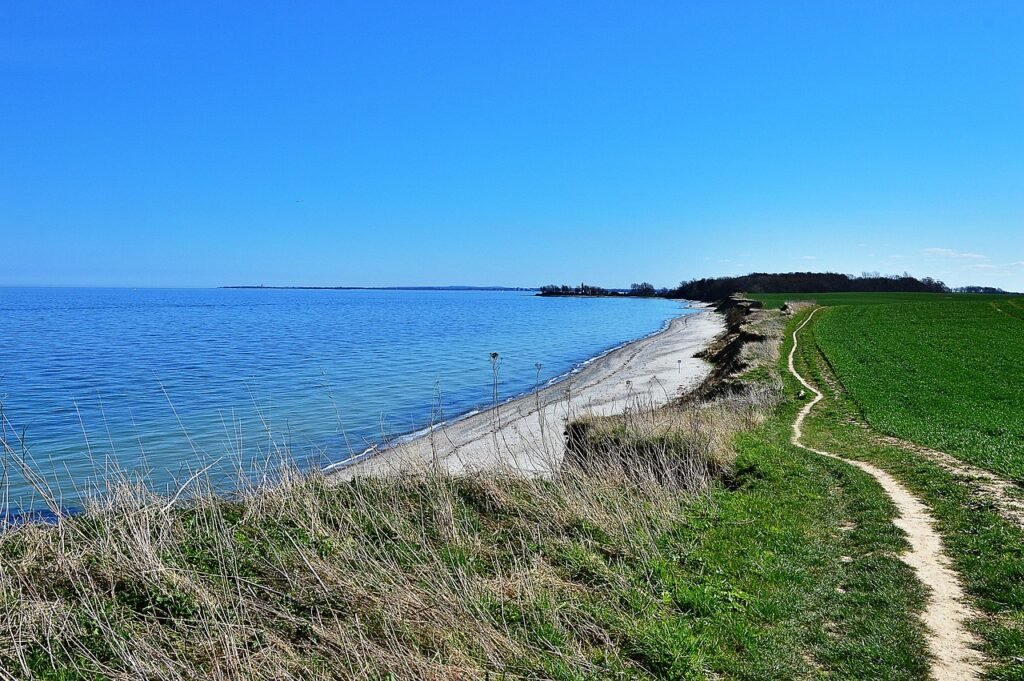
Sun-kissed shores, the rhythmic crash of waves, and the feeling of sand between your toes – beaches offer an escape from the everyday, a place to relax, rejuvenate, and reconnect with nature. From secluded coves to bustling boardwalks, the allure of the beach is undeniable. This guide dives into the multifaceted world of beaches, exploring their diverse ecosystems, recreational activities, and the importance of responsible beach tourism.
The Allure of the Beach: More Than Just Sand and Sea
Beaches are more than just picturesque landscapes; they are dynamic environments that offer a multitude of benefits, both tangible and intangible. Understanding these benefits can enrich your beach experience and inspire a deeper appreciation for these coastal treasures.
Benefits of Spending Time at the Beach
- Stress Reduction: Studies have shown that the sound of the ocean waves can lower stress hormones like cortisol. The “blue space” effect, referring to our innate connection to water, promotes relaxation and a sense of calm.
- Vitamin D Boost: Sunshine is a natural source of Vitamin D, essential for bone health, immune function, and mood regulation. However, remember to apply sunscreen to protect your skin from harmful UV rays.
- Physical Activity: Whether you’re swimming, surfing, beachcombing, or simply walking along the shoreline, beaches encourage physical activity.
- Improved Sleep: Fresh air, sunshine, and physical exertion can contribute to better sleep quality.
- Mindfulness and Connection: The beach provides an opportunity to disconnect from technology and reconnect with nature, fostering a sense of mindfulness and appreciation for the present moment.
The Economic Impact of Beaches
Beaches play a vital role in the economy, supporting tourism, recreation, and local businesses. Coastal communities often rely heavily on beach tourism for revenue, providing jobs and driving economic growth. For example, coastal tourism in the United States contributes billions of dollars to the economy annually.
- Tourism Revenue: Beach destinations attract tourists from all over the world, generating significant revenue for local economies.
- Job Creation: The tourism industry, including hotels, restaurants, and recreational businesses, creates numerous jobs in coastal areas.
- Property Values: Proximity to beaches often increases property values, benefiting homeowners and local governments through property taxes.
Exploring Different Types of Beaches
Beaches are not all created equal. They vary significantly in their geological composition, ecological characteristics, and recreational opportunities. Understanding these differences can help you choose the perfect beach for your preferences.
Sandy Beaches
Sandy beaches are perhaps the most iconic type of beach, characterized by their soft, fine sand. They are formed by the erosion of rocks and shells over time.
- Formation: Sand is primarily composed of quartz particles, though other minerals and shell fragments can also be present.
- Characteristics: Gentle slopes, warm sand, and calm waters make them ideal for swimming, sunbathing, and building sandcastles.
- Examples: Miami Beach (Florida, USA), Copacabana Beach (Rio de Janeiro, Brazil)
Rocky Beaches
Rocky beaches are characterized by their rugged terrain, featuring boulders, pebbles, and rock formations. They often have unique geological features and rich marine life.
- Formation: Formed by the erosion of coastal cliffs and the deposition of large rocks.
- Characteristics: Tide pools, diverse marine ecosystems, and dramatic scenery make them ideal for exploring and tide pooling.
- Examples: Acadia National Park (Maine, USA), Big Sur (California, USA)
Shell Beaches
Shell beaches are composed primarily of seashells, creating a unique and often colorful landscape.
- Formation: The accumulation of shells over time, often due to strong currents and specific environmental conditions.
- Characteristics: Unique aesthetic appeal, interesting shell formations, and opportunities for shell collecting. (Check local regulations regarding shell collecting.)
- Examples: Shell Beach (Shark Bay, Australia), Bowman’s Beach (Sanibel Island, Florida, USA)
Black Sand Beaches
Black sand beaches are formed from volcanic activity, resulting in a dramatic and unique landscape.
- Formation: Created by the rapid cooling of lava when it comes into contact with seawater.
- Characteristics: Dark sand, often very hot, and dramatic scenery.
- Examples: Punalu’u Black Sand Beach (Hawaii, USA), Reynisfjara Black Sand Beach (Iceland)
Activities and Recreation at the Beach
Beaches offer a wide range of activities and recreational opportunities for people of all ages and interests. From swimming and surfing to relaxing and exploring, there’s something for everyone at the beach.
Water Sports and Activities
- Swimming: A classic beach activity, providing exercise and relaxation. Always swim in designated areas and be aware of currents and tides.
- Surfing: Riding the waves is an exhilarating experience. Lessons are available for beginners.
- Snorkeling and Scuba Diving: Explore the underwater world and discover colorful coral reefs and marine life.
- Kayaking and Paddleboarding: Enjoy the scenery and get a great workout. Rentals are often available at beach locations.
- Windsurfing and Kitesurfing: Harness the power of the wind for an adrenaline-pumping experience.
Beach Games and Relaxation
- Beach Volleyball: A fun and social activity for all skill levels.
- Frisbee: A simple and enjoyable way to get some exercise.
- Building Sandcastles: A creative activity for kids and adults alike.
- Sunbathing: Relax and soak up the sun, but remember to use sunscreen.
- Reading: Enjoy a good book while listening to the sound of the waves.
Beachcombing and Nature Exploration
- Shell Collecting: Search for unique and beautiful shells (check local regulations).
- Tide Pooling: Explore the fascinating creatures that inhabit tide pools.
- Birdwatching: Observe the diverse bird species that frequent beaches.
- Photography: Capture the beauty of the beach landscape.
Protecting Our Beaches: Environmental Responsibility
Beaches are fragile ecosystems that are vulnerable to pollution, erosion, and climate change. Protecting our beaches is essential for preserving their natural beauty, biodiversity, and recreational value.
Common Threats to Beach Ecosystems
- Pollution: Plastic waste, oil spills, and agricultural runoff can contaminate beaches and harm marine life.
- Erosion: Rising sea levels and storm surges can erode coastlines and damage beach habitats.
- Climate Change: Rising sea temperatures and ocean acidification can impact coral reefs and other marine ecosystems.
- Overdevelopment: Construction and development can disrupt natural habitats and increase pollution.
Simple Steps for Responsible Beach Tourism
- Reduce, Reuse, Recycle: Minimize your waste and properly dispose of trash.
- Avoid Single-Use Plastics: Bring your own reusable water bottle, bags, and utensils.
- Respect Wildlife: Observe marine life from a distance and avoid disturbing their habitats.
- Support Sustainable Businesses: Choose hotels, restaurants, and tour operators that are committed to environmental sustainability.
- Leave No Trace: Pack out everything you pack in and leave the beach as you found it.
- Educate Yourself: Learn about the local ecosystem and the challenges it faces.
Conclusion
Beaches are invaluable natural resources that offer a multitude of benefits, from relaxation and recreation to economic prosperity and environmental significance. By understanding the different types of beaches, engaging in responsible tourism, and supporting conservation efforts, we can ensure that these coastal treasures are protected for future generations to enjoy. So, next time you visit the beach, take a moment to appreciate its beauty and remember your role in preserving it.