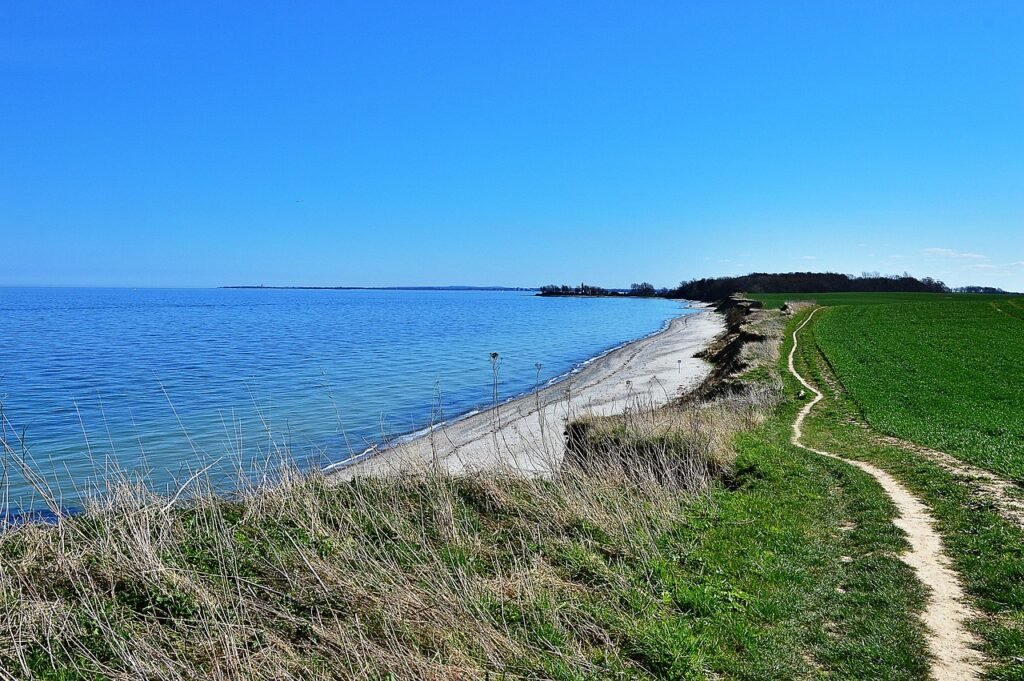
Imagine sinking your toes into warm sand, the rhythmic crash of waves serenading your ears, and the sun gently kissing your skin. Beaches – they’re more than just pretty landscapes; they’re gateways to relaxation, adventure, and unforgettable memories. Whether you’re a seasoned beachcomber or planning your first coastal escape, this guide will delve into everything you need to know to make the most of your beach experience.
The Allure of Beaches: Why We Love Them
Beaches hold a special place in the human psyche. The vastness of the ocean, the soft texture of the sand, and the feeling of freedom all contribute to their irresistible appeal. But the benefits extend far beyond simple relaxation.
Physical and Mental Well-being
Beaches offer a unique opportunity to recharge both physically and mentally.
- Vitamin D Boost: Sunlight exposure helps our bodies produce vitamin D, crucial for bone health and immune function. (Remember to wear sunscreen!)
- Stress Reduction: The sound of waves has been shown to lower stress levels. Studies indicate that the ocean’s rhythmic sounds stimulate the parasympathetic nervous system, promoting relaxation.
- Improved Sleep: Spending time outdoors and being physically active contributes to better sleep patterns.
- Exercise Opportunities: Swimming, surfing, beach volleyball, and even a simple walk along the shore provide excellent exercise.
Economic Impact and Coastal Communities
Beaches are vital drivers of economic activity for coastal communities.
- Tourism Revenue: Beaches attract millions of tourists each year, generating significant revenue for local businesses, hotels, restaurants, and tour operators. For example, coastal tourism in the United States contributes hundreds of billions of dollars to the national economy annually.
- Job Creation: The tourism industry supports a wide range of jobs, from hospitality and retail to recreation and conservation.
- Property Values: Homes with ocean views or beach access often command significantly higher prices.
- Cultural Significance: Many coastal communities have strong cultural ties to the ocean, with traditions and livelihoods deeply intertwined with the marine environment.
Exploring Different Types of Beaches
Not all beaches are created equal. From pristine white sands to rugged volcanic shores, there’s a beach to suit every preference.
Sandy Beaches: A Classic Choice
Sandy beaches are perhaps the most iconic and popular type of beach.
- Formation: These beaches are typically formed by the gradual accumulation of sand particles, often derived from eroded rock.
- Characteristics: Soft sand, gentle waves, and ample space for sunbathing and recreation are common characteristics.
- Examples: The beaches of the Caribbean, the Mediterranean, and many parts of the United States, such as South Florida’s beaches, are known for their fine, white sand.
Pebble Beaches: Nature’s Sculptures
Pebble beaches offer a different kind of beauty, characterized by smooth, rounded stones.
- Formation: These beaches are formed by the action of waves constantly tumbling and smoothing rocks.
- Characteristics: Walking on pebble beaches can be a unique experience, and the stones are often collected as souvenirs.
- Examples: Chesil Beach in Dorset, England, is a famous example of a pebble beach.
Rocky Beaches: Dramatic Landscapes
Rocky beaches are defined by their rugged terrain and dramatic scenery.
- Formation: These beaches often feature exposed bedrock, cliffs, and large boulders.
- Characteristics: Ideal for exploring tide pools, rock climbing, and enjoying breathtaking views.
- Examples: The coast of Maine and the Big Sur coastline in California are prime examples of rocky beaches.
Black Sand Beaches: Volcanic Wonders
Black sand beaches are a unique and striking sight, formed from volcanic rock.
- Formation: These beaches are created when lava flows cool rapidly and shatter into small, dark particles.
- Characteristics: The black sand absorbs heat quickly, making these beaches quite warm.
- Examples: Iceland, Hawaii (Punalu’u Black Sand Beach), and the Canary Islands are home to stunning black sand beaches.
Beach Activities: Fun in the Sun
Beaches offer a plethora of activities for all ages and interests.
Water Sports: Riding the Waves
From surfing to paddleboarding, the ocean provides endless opportunities for aquatic adventures.
- Surfing: A classic beach activity that involves riding waves on a surfboard.
- Swimming: Enjoy a refreshing dip in the ocean. Always swim in designated areas and be aware of currents.
- Paddleboarding: A more relaxed way to explore the coastline, stand-up paddleboarding offers a great workout and stunning views.
- Kayaking: Explore hidden coves and waterways by kayak.
- Snorkeling and Scuba Diving: Discover the underwater world and observe marine life in its natural habitat.
Relaxation and Recreation: Soaking Up the Sun
Sometimes, the best beach activity is simply relaxing and enjoying the surroundings.
- Sunbathing: Bask in the sun and soak up the vitamin D. Remember to apply sunscreen regularly.
- Building Sandcastles: A timeless beach activity for all ages.
- Beach Volleyball: Gather friends and family for a friendly game of volleyball.
- Picnics: Enjoy a delicious meal with a view.
- Beachcombing: Search for seashells, driftwood, and other treasures washed ashore.
Tips for Beach Safety
- Sun Protection: Wear sunscreen with a high SPF, a hat, and sunglasses to protect yourself from the sun’s harmful rays.
- Hydration: Drink plenty of water to stay hydrated, especially on hot days.
- Swim Safely: Swim in designated areas and be aware of currents and tides.
- Be Aware of Marine Life: Watch out for jellyfish, stingrays, and other potentially harmful marine creatures.
- Leave No Trace: Pack out everything you pack in and dispose of trash properly.
Sustainable Beach Tourism: Protecting Our Coasts
It’s crucial to be mindful of the environmental impact of beach tourism.
Reducing Your Footprint
Small changes can make a big difference in preserving our beaches.
- Choose Eco-Friendly Products: Opt for reef-safe sunscreen and reusable water bottles.
- Reduce Plastic Consumption: Avoid single-use plastics and bring your own reusable bags, straws, and containers.
- Support Local Businesses: Patronize businesses that prioritize sustainability and environmental responsibility.
- Participate in Beach Cleanups: Volunteer your time to help clean up beaches and remove litter.
Respecting Marine Life
Protecting marine life is essential for maintaining healthy coastal ecosystems.
- Avoid Disturbing Wildlife: Observe marine animals from a distance and avoid feeding them.
- Be Mindful of Coral Reefs: Avoid touching or stepping on coral reefs while snorkeling or diving.
- Report Any Disturbances: If you see any signs of pollution or injured marine life, report it to the appropriate authorities.
Conclusion
Beaches offer a unique blend of relaxation, adventure, and natural beauty. By understanding the different types of beaches, engaging in responsible activities, and practicing sustainable tourism, we can ensure that these precious coastal environments are preserved for future generations. So pack your bags, grab your sunscreen, and get ready to experience the magic of the beach!