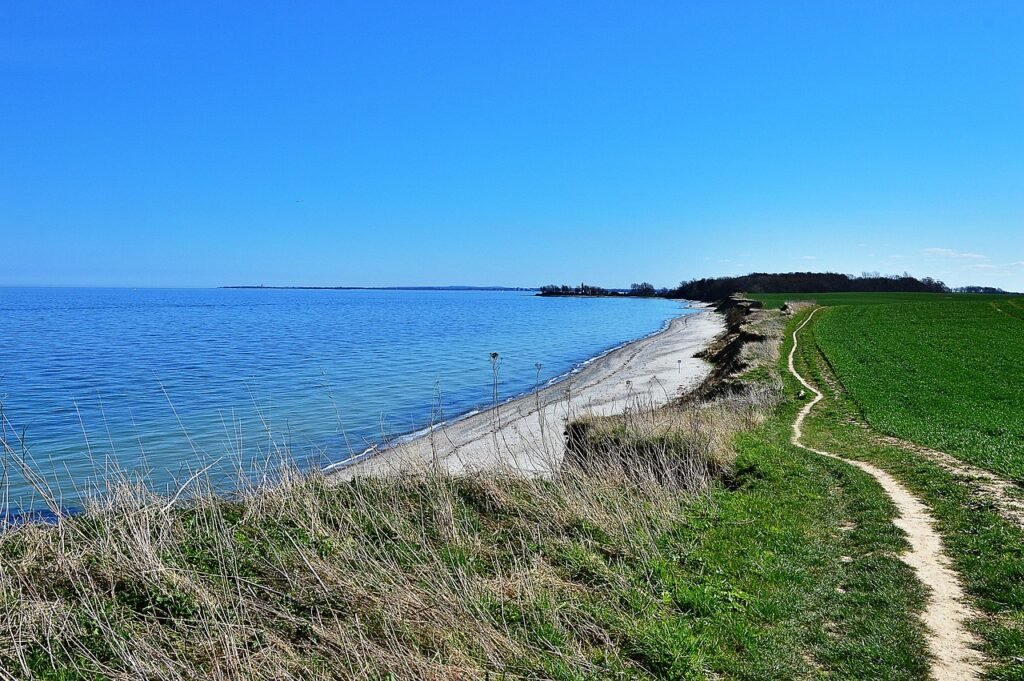
Imagine the feeling of warm sand between your toes, the sun kissing your skin, and the rhythmic sound of waves crashing gently against the shore. Beaches are more than just picturesque landscapes; they are vibrant ecosystems, havens for relaxation, and playgrounds for adventure. This blog post delves into the multifaceted allure of beaches, exploring their formation, diverse activities they offer, crucial safety tips, and their vital role in our environment. So, grab your virtual beach towel and let’s dive in!
The Formation of Beaches
Coastal Processes Shaping Sandy Shores
Beaches aren’t static; they are constantly being sculpted by the relentless power of nature. Wave action is the primary sculptor, eroding cliffs and rocks, transporting sediment, and depositing sand.
- Erosion: Waves relentlessly pound coastlines, breaking down rocks into smaller particles.
- Transportation: Currents and tides carry these particles, including sand, shells, and pebbles, along the coastline.
- Deposition: When waves lose energy, they deposit the sediment, forming beaches. The type of sediment deposited determines the beach’s color and texture.
Types of Beaches
Beaches vary significantly in their composition and characteristics.
- Sandy Beaches: These are the most common, composed primarily of quartz sand. The source of this sand is often eroded rock from inland areas.
- Pebble Beaches: Characterized by rounded stones and pebbles, these beaches are typically found in areas with strong wave action. An example is Chesil Beach in Dorset, UK.
- Shell Beaches: Made up almost entirely of broken seashells, these beaches are often found in areas with abundant marine life. Sanibel Island, Florida, is famous for its shell beaches.
- Black Sand Beaches: Formed from volcanic rock, black sand beaches are striking and unique. Punalu’u Beach in Hawaii is a prime example.
- Coral Beaches: Composed of eroded coral fragments, these beaches boast a bright white color. Found in tropical regions like the Caribbean.
Activities and Recreation on Beaches
Relaxation and Wellness
Beaches provide an ideal environment for relaxation and mental well-being.
- Sunbathing: Soaking up the sun’s rays provides vitamin D, vital for bone health. Remember to use sunscreen to protect your skin.
- Swimming: The ocean offers a refreshing escape, but always be mindful of currents and tides.
- Beach Walks: Strolling along the shoreline is a great way to exercise and enjoy the scenery.
- Meditation: The calming sound of the waves can help reduce stress and promote relaxation.
Water Sports and Adventures
For the adventurous, beaches offer a wide array of water sports.
- Surfing: Riding the waves is a thrilling experience, requiring skill and practice. Popular surfing destinations include Bali and Hawaii.
- Paddleboarding: A more relaxed activity that allows you to explore the coastline.
- Kayaking: A great way to explore hidden coves and observe marine life.
- Snorkeling and Diving: Discover the underwater world and its vibrant marine ecosystems. The Great Barrier Reef is a world-renowned diving spot.
Beach Games and Social Activities
Beaches are perfect for socializing and enjoying games with friends and family.
- Volleyball: A classic beach game that promotes teamwork and exercise.
- Frisbee: A simple and fun activity for all ages.
- Sandcastle Building: Unleash your creativity and build elaborate sand structures.
- Beach Picnics: Enjoy a meal with a view.
Beach Safety and Environmental Awareness
Essential Safety Tips
Safety should always be a priority when visiting a beach.
- Swim in designated areas: Look for lifeguard supervision.
- Be aware of rip currents: These strong currents can pull swimmers away from the shore. If caught in a rip current, swim parallel to the shore.
- Protect yourself from the sun: Wear sunscreen, a hat, and sunglasses.
- Stay hydrated: Drink plenty of water to avoid dehydration.
- Watch out for marine life: Be aware of jellyfish, stingrays, and other potential hazards.
Protecting Beach Ecosystems
It’s crucial to protect the delicate ecosystems of beaches.
- Avoid single-use plastics: Plastics pollute beaches and harm marine life.
- Leave no trace: Pack out everything you pack in.
- Respect wildlife: Observe animals from a distance and avoid disturbing their habitats.
- Support sustainable tourism: Choose businesses that prioritize environmental protection.
Example: Look for hotels with recycling programs and eco-friendly practices.
Understanding Tides and Currents
Understanding tides and currents is paramount for beach safety. Tides are the rise and fall of sea levels caused by the gravitational forces of the moon and sun. Currents are horizontal movements of water.
- Tide Charts: Check tide charts before visiting to understand high and low tide times. This is especially important for accessing certain areas or participating in water sports.
- Rip Current Identification: Learn to identify rip currents: look for channels of choppy water, differences in water color, and debris moving offshore.
- Current Awareness: Be mindful of longshore currents, which run parallel to the shore. These currents can make it challenging to swim back to your starting point.
Top Beaches Around the World
Iconic and Must-Visit Destinations
Exploring beaches around the world can offer unique experiences.
- Whitehaven Beach, Australia: Known for its pristine white silica sand and turquoise waters.
- Bora Bora, French Polynesia: Famous for its luxurious resorts, vibrant coral reefs, and crystal-clear lagoons.
- Navagio Beach (Shipwreck Beach), Greece: Home to a stunning shipwreck nestled in a secluded cove.
- Anse Source d’Argent, Seychelles: Features unique granite boulders and shallow, clear waters.
- South Beach, Miami, USA: Celebrated for its vibrant nightlife, Art Deco architecture, and wide sandy shores.
Hidden Gems and Undiscovered Paradises
Venture off the beaten path to discover lesser-known beaches.
- Radhanagar Beach, India: Located on Havelock Island, known for its turquoise waters and lush greenery.
- Pig Beach, Bahamas: Famous for its swimming pigs.
- Hidden Beach, Mexico: A secluded beach accessible only by swimming through a tunnel.
- Elafonisi Beach, Greece: Features pink sand and shallow lagoons.
The Economic Importance of Beaches
Tourism and Recreation Revenue
Beaches significantly contribute to local and national economies through tourism.
- Hotel and Accommodation: Coastal areas benefit from hotels, resorts, and vacation rentals.
- Restaurants and Retail: Beachside businesses thrive on tourist spending.
- Water Sports and Activities: Businesses offering surfing lessons, boat tours, and equipment rentals generate revenue.
Example: Coastal towns reliant on beach tourism often experience a boost in revenue during peak seasons.
Fisheries and Marine Resources
Beaches also support fisheries and other marine-related industries.
- Commercial Fishing: Beaches often serve as access points for fishing boats and support local fisheries.
- Aquaculture: Some coastal areas engage in aquaculture, raising fish and shellfish for commercial purposes.
- Marine Research: Beaches provide valuable research opportunities for marine biologists and environmental scientists.
* Data shows that coastal areas with healthy beach ecosystems tend to have more thriving fisheries.
Conclusion
Beaches are dynamic and vital parts of our world, offering opportunities for recreation, relaxation, and connection with nature. Whether you seek adventure, tranquility, or simply a change of scenery, beaches provide a diverse range of experiences. By understanding the processes that shape them, practicing beach safety, and prioritizing environmental conservation, we can ensure that these beautiful and valuable ecosystems continue to thrive for generations to come. So next time you visit a beach, take a moment to appreciate its beauty and reflect on the importance of protecting it.