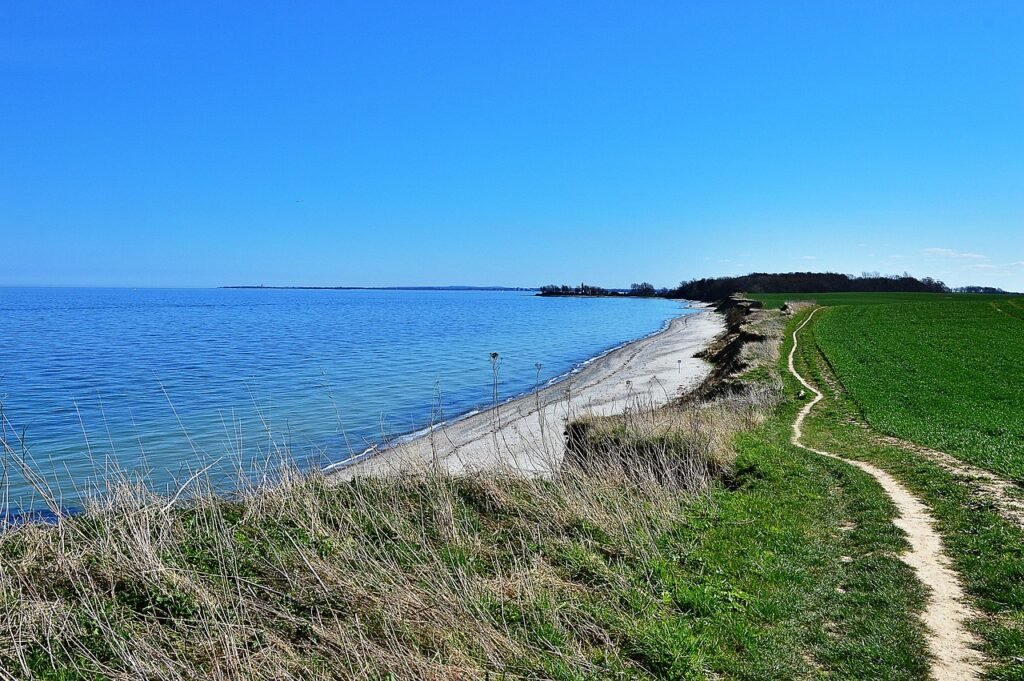
Imagine the soft caress of sand between your toes, the rhythmic crash of waves, and the sun warming your skin. Beaches. They’re more than just stretches of sand and water; they’re escapes, havens of relaxation, and vibrant ecosystems. Whether you’re planning your next vacation or simply dreaming of a coastal getaway, this guide will delve into the captivating world of beaches, exploring their diverse characteristics, benefits, and how to make the most of your seaside experience.
The Allure of Beaches: More Than Just Sand and Sun
Beaches are incredibly diverse, ranging from tranquil, secluded coves to bustling, activity-filled shores. The unique appeal of each beach stems from a combination of factors, creating a distinct experience for every visitor.
Psychological and Physical Benefits
- Stress Reduction: The sound of the ocean waves has been shown to have a calming effect, reducing stress and anxiety.
- Vitamin D Boost: Sunlight is a natural source of Vitamin D, crucial for bone health and immune function. Remember to apply sunscreen!
- Physical Activity: Beaches offer opportunities for swimming, surfing, beach volleyball, and simply walking along the shore, promoting physical fitness.
- Improved Sleep: Exposure to natural light during the day can regulate your circadian rhythm, leading to better sleep at night.
- Connection with Nature: Beaches offer a unique opportunity to connect with the natural world, fostering a sense of peace and well-being.
Economic Importance
Beaches are vital to local economies, attracting tourism, supporting local businesses, and providing employment opportunities in hospitality, recreation, and fishing. Coastal tourism generates billions of dollars annually worldwide.
Environmental Significance
Beaches are crucial ecosystems that support a variety of plant and animal life. They also play a role in coastal protection by acting as natural barriers against erosion and storm surges.
Exploring Different Types of Beaches
Beaches come in a variety of forms, each offering a unique experience based on their composition, location, and geological features. Understanding these differences helps you choose the perfect beach for your needs.
Sandy Beaches
- Composition: Primarily composed of sand grains derived from eroded rocks, shells, and coral.
- Characteristics: Gentle slopes, calm waves (in many cases), ideal for swimming and sunbathing.
- Examples: Waikiki Beach (Hawaii), Copacabana Beach (Rio de Janeiro).
Pebble Beaches
- Composition: Made up of small to medium-sized pebbles or stones.
- Characteristics: Often steeper than sandy beaches, can be challenging to walk on but visually stunning.
- Examples: Chesil Beach (England), Pfeiffer Beach (California).
Shell Beaches
- Composition: Dominated by shells and shell fragments.
- Characteristics: Unique texture and appearance, often found in areas with abundant marine life.
- Examples: Shell Beach (Shark Bay, Australia), Sanibel Island (Florida).
Volcanic Beaches
- Composition: Formed from volcanic rock, resulting in black or dark-colored sand.
- Characteristics: Dramatic landscapes, often surrounded by cliffs and unique geological formations.
- Examples: Punalu’u Black Sand Beach (Hawaii), Reynisfjara Beach (Iceland).
Beach Activities: From Relaxation to Adventure
Beaches offer a plethora of activities to suit every taste, from tranquil relaxation to adrenaline-pumping adventures.
Relaxation and Recreation
- Sunbathing: Relax and soak up the sun’s rays (with sunscreen, of course!).
- Swimming: Enjoy a refreshing dip in the ocean. Always check for safety flags and currents.
- Beachcombing: Search for seashells, interesting rocks, and other treasures.
- Picnics: Pack a lunch and enjoy a meal with a stunning view.
- Reading: Escape into a good book while listening to the sound of the waves.
Water Sports
- Surfing: Catch some waves and experience the thrill of riding the ocean.
- Paddleboarding: Explore the coastline at your own pace.
- Kayaking: Paddle through calm waters and discover hidden coves.
- Snorkeling and Scuba Diving: Explore the underwater world and discover vibrant marine life.
- Jet Skiing: Experience the speed and excitement of jet skiing.
Beach Games
- Beach Volleyball: Organize a friendly game with friends and family.
- Frisbee: Toss a frisbee and enjoy the open space.
- Sandcastle Building: Unleash your creativity and build elaborate sandcastles.
- Kite Flying: Enjoy the breeze and watch your kite soar through the sky.
Protecting Our Beaches: Environmental Responsibility
Beaches are fragile ecosystems that face numerous threats, including pollution, erosion, and climate change. It’s essential to practice responsible beach etiquette to protect these valuable resources.
Reduce, Reuse, Recycle
- Bring your own reusable water bottle, bags, and containers.
- Avoid single-use plastics.
- Recycle all recyclable materials.
Leave No Trace
- Take all trash with you when you leave.
- Dispose of waste properly in designated bins.
- Avoid disturbing wildlife or their habitats.
Protect Coastal Vegetation
- Stay on designated paths and avoid walking on dunes.
- Do not remove plants or shells from the beach.
Support Sustainable Tourism
- Choose eco-friendly accommodations and tour operators.
- Respect local customs and traditions.
- Be mindful of your impact on the environment.
Be Aware of Coastal Erosion
- Avoid building fires too close to the dunes, as they can damage the stabilizing vegetation.
- Report any signs of significant erosion to local authorities.
- Consider participating in beach clean-up events to help mitigate the effects of erosion.
Planning Your Beach Trip: Tips and Considerations
Planning a beach trip involves considering several factors to ensure a safe, enjoyable, and memorable experience.
Choosing the Right Beach
- Consider your interests: Are you looking for relaxation, adventure, or family-friendly activities?
- Research the beach’s characteristics: Is it sandy, pebbly, or rocky? Are the waves calm or rough?
- Check the weather forecast: Plan your trip during optimal weather conditions.
- Read reviews: See what other visitors have to say about the beach.
Packing Essentials
- Sunscreen: Protect your skin from harmful UV rays.
- Swimsuit: Essential for swimming and water activities.
- Towel: For drying off after a swim.
- Sunglasses: Protect your eyes from the sun’s glare.
- Hat: Provide shade and protect your face and neck from the sun.
- Beach umbrella or tent: Provide shade and protection from the sun.
- Water bottle: Stay hydrated in the heat.
- Snacks: Keep your energy levels up.
- Beach toys: For children (or adults!).
- First-aid kit: For minor injuries.
Safety Tips
- Swim in designated areas: Avoid swimming in areas with strong currents or hazardous conditions.
- Supervise children closely: Never leave children unattended near the water.
- Be aware of rip currents: Know how to identify and escape rip currents. (Swim parallel to the shore.)
- Stay hydrated: Drink plenty of water to avoid dehydration.
- Protect yourself from the sun: Wear sunscreen, sunglasses, and a hat.
- Be aware of marine life: Avoid touching or disturbing marine animals.
Conclusion
Beaches are truly special places, offering a unique blend of relaxation, recreation, and natural beauty. From the soothing sound of the waves to the endless possibilities for adventure, beaches provide something for everyone. By understanding the different types of beaches, engaging in responsible beach etiquette, and planning your trip carefully, you can ensure a memorable and enjoyable experience while helping to protect these valuable coastal ecosystems for generations to come. So, pack your bags, grab your sunscreen, and get ready to discover the magic of the beach!