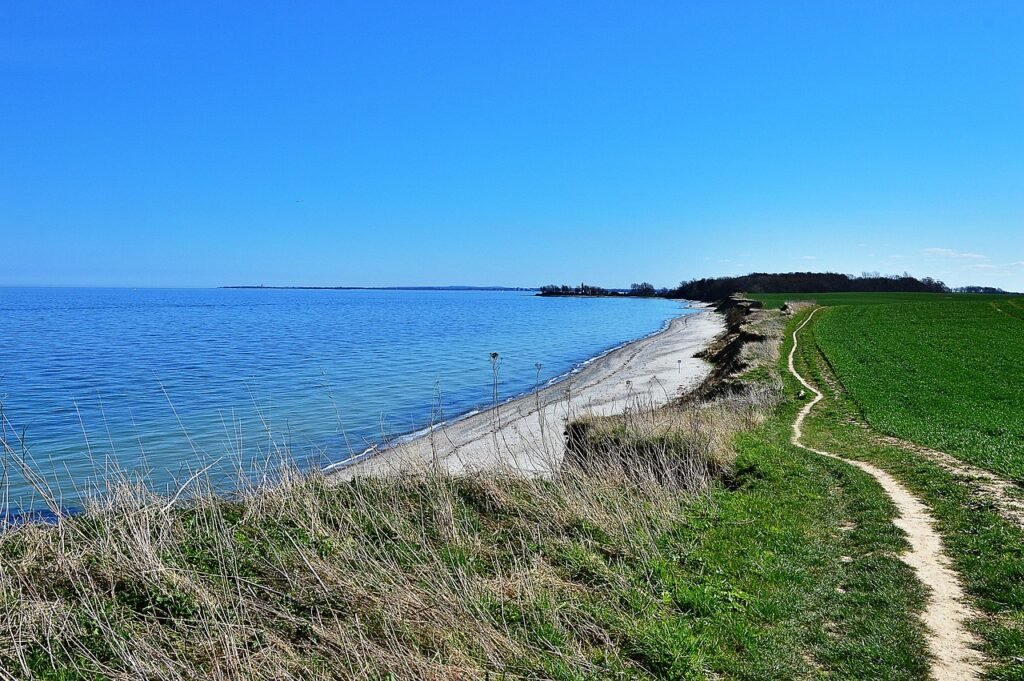
Imagine the gentle caress of a warm breeze, the rhythmic crash of waves, and the soft, yielding sensation of sand between your toes. Beaches are more than just picturesque landscapes; they are dynamic ecosystems, vibrant recreational spaces, and powerful forces that shape our coastlines. Whether you’re a seasoned beachcomber or planning your first seaside escape, understanding the allure and intricacies of beaches can greatly enhance your appreciation and enjoyment. This comprehensive guide explores everything you need to know about beaches, from their formation and ecological significance to the best ways to experience them.
The Formation of Beaches: A Dynamic Process
Understanding Coastal Processes
Beaches aren’t static entities; they are constantly evolving under the influence of various natural forces. Understanding these processes is key to appreciating the beach’s ever-changing nature.
- Erosion: The relentless action of waves, tides, and currents gradually wears away at coastlines. This eroded material, such as rock fragments and shells, is transported and deposited elsewhere, contributing to beach formation. For example, the famous white cliffs of Dover are a stark reminder of ongoing coastal erosion.
- Sediment Transport: Rivers play a vital role in carrying sediment – sand, gravel, and silt – from inland areas to the coast. These sediments are then distributed along the coastline by longshore currents, which are currents that flow parallel to the shore.
- Accretion: When sediment deposition exceeds erosion, beaches grow in size through a process called accretion. This can occur naturally or be artificially induced through beach nourishment projects.
Types of Beach Sediment
The composition of beach sediment varies greatly depending on the geological characteristics of the surrounding area.
- Quartz Sand: The most common type of beach sand, composed primarily of quartz crystals weathered from rocks. Many beaches around the world, including those along the Gulf Coast of the United States, feature fine, white quartz sand.
- Coral Sand: Found in tropical regions, coral sand is made up of fragments of coral skeletons. These beaches are typically white or pink in color. Beaches in the Maldives and the Caribbean are renowned for their coral sand.
- Volcanic Sand: Beaches with volcanic sand are dark or black in color due to the presence of basalt and other volcanic minerals. Iceland and Hawaii are famous for their black sand beaches.
- Shell Fragments: Some beaches consist mainly of shell fragments, creating a unique texture and appearance. Shell Beach in Western Australia is a prime example, composed entirely of cockle shells.
The Ecology of Beaches: A Thriving Ecosystem
Intertidal Zone Inhabitants
The intertidal zone, the area between high and low tide marks, is a dynamic and challenging environment that supports a diverse array of life.
- Crabs: Various crab species, such as hermit crabs and fiddler crabs, are common inhabitants of the intertidal zone. They play an essential role in scavenging and nutrient cycling.
- Seashells: A wide variety of seashells, including clams, mussels, and snails, are found in the intertidal zone. These mollusks are adapted to withstand the harsh conditions of fluctuating water levels and salinity.
- Sea Stars: Also known as starfish, these echinoderms are predators that feed on mollusks and other invertebrates. They are often found clinging to rocks and other surfaces in the intertidal zone.
- Seaweed: Various species of seaweed and algae thrive in the intertidal zone, providing food and shelter for other organisms. Seaweed also plays a role in oxygen production and nutrient absorption.
Coastal Vegetation and Dunes
Coastal vegetation plays a crucial role in stabilizing beaches and preventing erosion. Sand dunes, formed by windblown sand, are often vegetated with specialized plants that help to trap sand and protect inland areas from storms.
- Beach Grass: Species like marram grass are adapted to the harsh conditions of sandy environments. Their extensive root systems help to bind the sand together and prevent erosion.
- Dune Plants: Various plants, such as sea oats and beach morning glories, are found on sand dunes. These plants are tolerant of salt spray and drought and help to stabilize the dunes.
- Mangrove Forests: In tropical and subtropical regions, mangrove forests protect coastlines from erosion and provide habitat for a wide range of species. Their dense root systems trap sediment and stabilize the shoreline.
Beach Activities: Recreation and Relaxation
Water Sports and Activities
Beaches provide a playground for a wide range of water sports and activities.
- Swimming: The most popular beach activity, offering a refreshing escape from the heat. Always be aware of local swimming conditions and adhere to safety guidelines.
- Surfing: Riding waves on a surfboard is a thrilling activity that requires skill and practice. Popular surfing beaches include those in Hawaii, California, and Australia.
- Snorkeling and Diving: Exploring the underwater world with a mask and snorkel or scuba gear. Coral reefs and rocky shorelines offer the best opportunities for observing marine life.
- Kayaking and Paddleboarding: Gliding along the water in a kayak or paddleboard is a great way to enjoy the scenery and get some exercise.
Beach Games and Relaxation
Beyond water sports, beaches offer opportunities for various recreational activities and relaxation.
- Volleyball and Frisbee: Classic beach games that are fun for all ages. Bring your own equipment or join a local game.
- Sunbathing: Relaxing on the sand and soaking up the sun is a popular way to unwind. Remember to wear sunscreen and limit your exposure to the sun.
- Beachcombing: Searching for seashells, sea glass, and other treasures washed ashore. This can be a relaxing and rewarding activity.
- Picnics and Barbecues: Enjoying a meal with family and friends on the beach is a great way to celebrate a special occasion.
Beach Safety: Tips and Precautions
Understanding Beach Hazards
Beaches can be deceptively dangerous, and it’s important to be aware of potential hazards.
- Rip Currents: Strong, narrow currents that flow away from the shore. If caught in a rip current, swim parallel to the shore until you are out of the current.
- Jellyfish and Stingrays: Marine animals that can sting or bite. Avoid contact with jellyfish and shuffle your feet when walking in shallow water to avoid stepping on stingrays.
- Sunburn: Overexposure to the sun’s ultraviolet (UV) rays can cause sunburn. Wear sunscreen, seek shade, and avoid prolonged exposure during peak hours.
- Dehydration: Spending time in the sun and heat can lead to dehydration. Drink plenty of water to stay hydrated.
Essential Safety Tips
Following these safety tips can help you enjoy your beach visit safely.
- Swim at Guarded Beaches: Choose beaches with lifeguards on duty. Lifeguards are trained to respond to emergencies and provide assistance.
- Obey Warning Flags: Pay attention to warning flags and signs posted by lifeguards. These flags indicate the current swimming conditions and potential hazards.
- Never Swim Alone: Always swim with a buddy. If you get into trouble, your buddy can assist you or call for help.
- Know Your Limits: Avoid swimming beyond your abilities. If you are not a strong swimmer, stay in shallow water.
Preserving Our Beaches: Conservation Efforts
The Importance of Beach Conservation
Beaches are vulnerable ecosystems that face numerous threats from human activities and climate change.
- Pollution: Plastic waste, oil spills, and other pollutants can harm marine life and degrade the quality of beaches.
- Coastal Development: Construction of buildings and infrastructure near coastlines can disrupt natural processes and lead to erosion.
- Climate Change: Rising sea levels, increased storm intensity, and ocean acidification threaten beaches and coastal ecosystems.
How to Help Protect Beaches
Everyone can play a role in protecting beaches for future generations.
- Reduce Plastic Consumption: Use reusable bags, water bottles, and containers to reduce plastic waste.
- Participate in Beach Cleanups: Join organized beach cleanups or pick up trash whenever you visit the beach.
- Support Sustainable Tourism: Choose eco-friendly accommodations and activities that minimize environmental impact.
- Advocate for Conservation Policies: Support policies that protect coastlines and promote sustainable development.
Conclusion
Beaches are incredible places offering relaxation, recreation, and ecological significance. By understanding their formation, ecology, and the importance of safety and conservation, we can appreciate and protect these valuable resources for generations to come. Whether you’re building sandcastles, surfing the waves, or simply enjoying the serene beauty, remember to respect and cherish the beaches that bring so much joy to our lives.