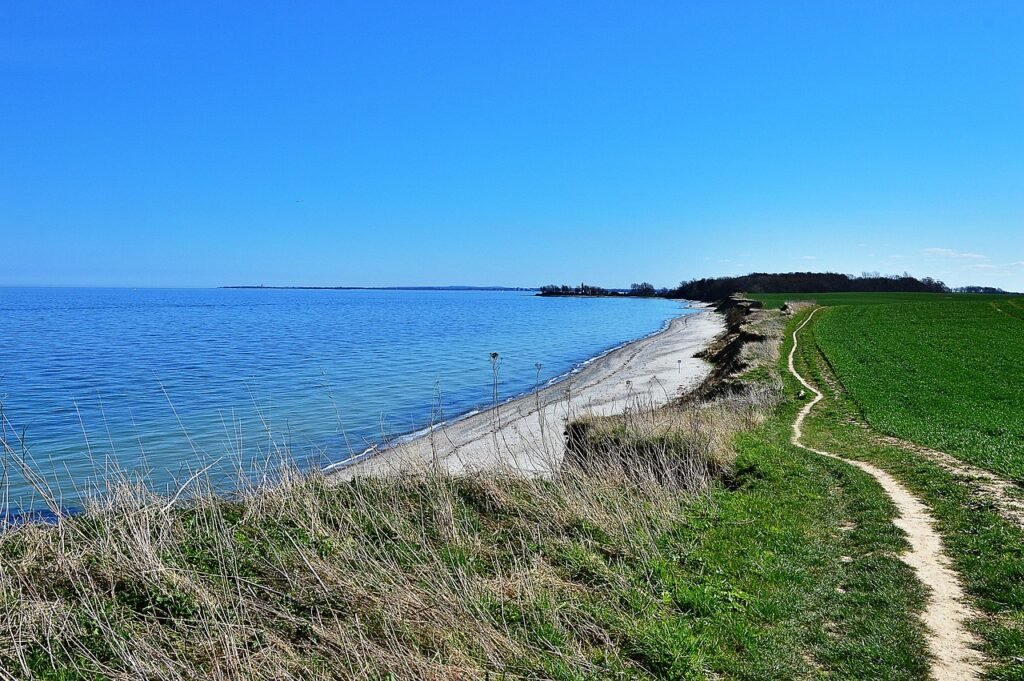
Sun, sand, and serenity – these are the words that often come to mind when we think of beaches. More than just picturesque destinations, beaches are vital ecosystems, economic drivers, and, most importantly, havens for relaxation and recreation. Whether you’re a seasoned beach bum or planning your first seaside escape, understanding the multifaceted nature of these coastal treasures can enhance your appreciation and ensure responsible enjoyment. This guide delves into everything you need to know about beaches, from their formation and types to the activities they offer and the crucial role we play in preserving them.
Understanding Beach Formation and Types
Beaches are dynamic environments, constantly shaped by the forces of nature. Understanding how they form and the different types of beaches that exist can deepen your appreciation for these natural wonders.
How Beaches are Formed
Beaches are primarily formed through the accumulation of sediment, most commonly sand. This process typically involves:
- Erosion: The breakdown of rocks and other materials on land and along coastlines by wind, water, and ice.
- Transportation: The movement of sediment by rivers, waves, and currents.
- Deposition: The settling of sediment in areas where energy levels are low enough, such as along coastlines.
Types of Beaches
Beaches vary widely depending on the source of their sediment, local geology, and wave action. Here are a few examples:
- Sandy Beaches: The most common type, composed of fine sand particles, often quartz. These beaches are ideal for sunbathing and swimming. Example: Whitehaven Beach, Australia.
- Pebble Beaches: Characterized by larger, rounded stones. The sound of waves rolling over pebbles can be uniquely soothing. Example: Chesil Beach, UK.
- Shell Beaches: Made up of a high concentration of seashells and shell fragments. These beaches are often vibrant and offer excellent opportunities for shell collecting. Example: Shell Beach, Shark Bay, Australia.
- Volcanic Beaches: Formed from the erosion of volcanic rock, these beaches are often black or dark grey in color. Example: Punalu’u Black Sand Beach, Hawaii.
- Coral Beaches: Composed of eroded coral fragments, resulting in white or pink sand. These beaches are often found in tropical regions. Example: Pink Sands Beach, Bahamas.
Activities and Recreation
Beaches offer a plethora of activities, catering to a wide range of interests and fitness levels. From thrilling water sports to tranquil relaxation, there’s something for everyone.
Water Sports
- Surfing: Riding waves on a surfboard. Requires skill, practice, and the right wave conditions. Popular surfing destinations include Bali, Indonesia, and Jeffreys Bay, South Africa.
- Swimming: A refreshing and accessible activity for all ages. Always swim in designated areas and be aware of currents and tides.
- Snorkeling and Scuba Diving: Exploring the underwater world, observing marine life, and discovering coral reefs. Great Barrier Reef, Australia, is a world-renowned diving spot.
- Kayaking and Paddleboarding: Gliding across the water, enjoying the scenery, and getting a good workout. Many beaches offer rentals and lessons.
- Windsurfing and Kitesurfing: Harnessing the power of the wind to propel across the water. Requires specialized equipment and training.
Relaxation and Recreation
- Sunbathing: Soaking up the sun’s rays and enjoying the warmth. Remember to wear sunscreen to protect your skin.
- Beach Volleyball: A fun and social sport that can be enjoyed by players of all skill levels. Many beaches have designated volleyball courts.
- Building Sandcastles: A classic beach activity for children and adults alike. Get creative and see what you can create.
- Beachcombing: Searching for seashells, sea glass, and other treasures washed ashore.
- Picnics: Enjoying a meal outdoors with family and friends. Pack a cooler with your favorite snacks and drinks.
Beach Safety: Essential Tips
Prioritizing safety is crucial when spending time at the beach. Being aware of potential hazards and taking necessary precautions can help prevent accidents and ensure a safe and enjoyable experience.
Understanding Beach Hazards
- Rip Currents: Powerful, narrow channels of water flowing away from the shore. They can quickly pull swimmers out to sea. If caught in a rip current, swim parallel to the shore until you are out of the current, then swim back to the beach.
- Tides: The rise and fall of sea levels caused by the gravitational pull of the moon and sun. Be aware of tide times and heights, as changing tides can affect water depth and create dangerous conditions.
- Marine Life: Some marine animals, such as jellyfish, stingrays, and sharks, can pose a threat to swimmers. Be cautious and avoid touching or disturbing marine life.
- Sun Exposure: Prolonged exposure to the sun can lead to sunburn, heatstroke, and skin cancer. Wear sunscreen, a hat, and sunglasses, and seek shade during the hottest part of the day.
- Debris: Be aware of potential hazards such as broken glass, sharp rocks, and discarded fishing gear. Wear appropriate footwear to protect your feet.
Safety Tips
- Swim in Designated Areas: Choose beaches with lifeguards on duty and swim within marked areas.
- Never Swim Alone: Always swim with a buddy and keep an eye on each other.
- Supervise Children Closely: Children should be supervised at all times when near the water.
- Check the Weather Forecast: Be aware of potential storms or strong winds.
- Stay Hydrated: Drink plenty of water to avoid dehydration.
- Follow Lifeguard Instructions: Lifeguards are trained to identify and respond to hazards. Listen to their instructions and warnings.
Environmental Considerations and Beach Conservation
Beaches are delicate ecosystems that are vulnerable to pollution, erosion, and climate change. Protecting these valuable resources requires responsible behavior and collective action.
Threats to Beaches
- Pollution: Litter, plastic waste, and industrial runoff can contaminate beaches and harm marine life.
- Erosion: Natural processes and human activities, such as coastal development and dredging, can cause beach erosion.
- Climate Change: Rising sea levels, increased storm intensity, and ocean acidification threaten coastal ecosystems and beach integrity.
- Overcrowding: Excessive tourism can put a strain on beach resources and degrade the environment.
How to Help Protect Beaches
- Reduce Your Plastic Consumption: Avoid single-use plastics and choose reusable alternatives.
- Properly Dispose of Waste: Never litter on the beach. Use designated trash cans and recycling bins.
- Support Sustainable Tourism: Choose eco-friendly accommodations and tour operators.
- Respect Marine Life: Avoid disturbing or harming marine animals and their habitats.
- Participate in Beach Cleanups: Volunteer your time to help remove trash and debris from beaches.
- Advocate for Conservation: Support policies and organizations that protect coastal ecosystems.
Conclusion
Beaches are more than just beautiful landscapes; they are dynamic environments, recreational hubs, and vital ecosystems that require our respect and protection. By understanding their formation, enjoying them responsibly, and taking steps to conserve them, we can ensure that future generations can experience the joy and wonder of these coastal treasures. So, the next time you visit a beach, remember the importance of preserving its natural beauty and contributing to its long-term health. Your actions, no matter how small, can make a significant difference.