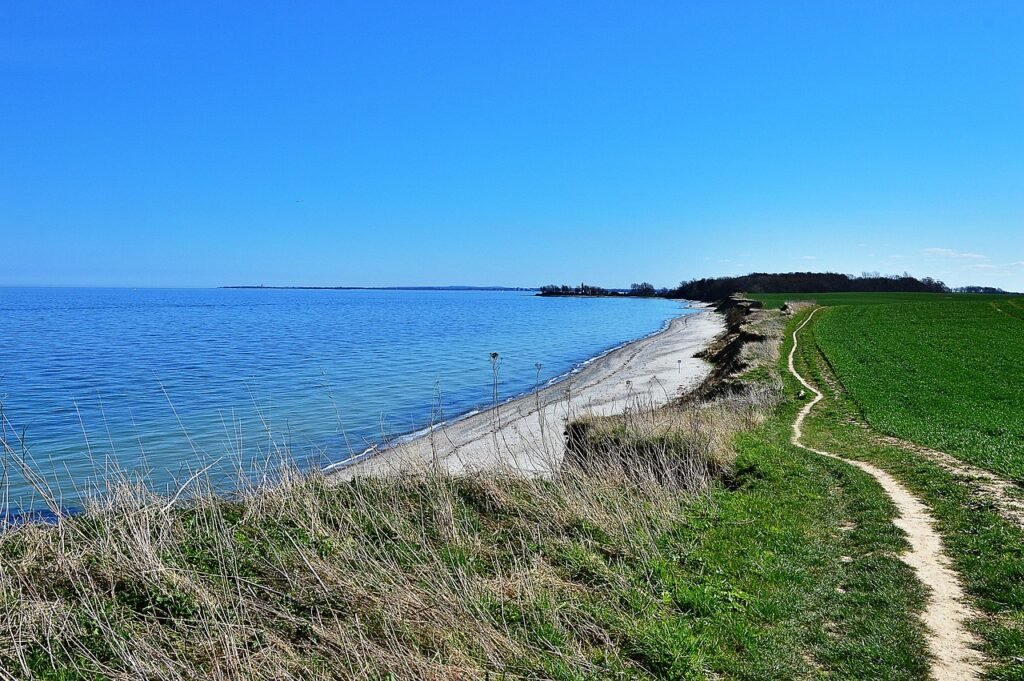
Sun, sand, and serenity – the allure of beaches is undeniable. Whether you’re seeking a tranquil escape, thrilling water sports, or simply the rhythmic sound of waves, beaches offer something for everyone. In this comprehensive guide, we’ll explore the diverse world of beaches, from their formation and ecology to how to choose the perfect beach for your next getaway.
The Formation of Beaches
Beaches aren’t static landscapes; they’re dynamic environments shaped by powerful natural forces. Understanding how beaches are formed can enhance your appreciation for these coastal wonders.
Wave Action and Sediment Transport
- Erosion: Waves crashing against the coastline gradually erode rocks and cliffs, breaking them down into smaller particles.
- Transportation: These particles, ranging from fine sand to larger pebbles, are transported by waves and currents along the coast.
- Deposition: When wave energy diminishes, sediments are deposited, forming beaches. The size of the sediment depends on the wave energy – stronger waves carry larger particles. For example, beaches with coarse sand or pebbles typically experience higher wave energy than those with fine sand.
- Longshore Drift: This process involves the movement of sediment along the coast due to waves approaching the shore at an angle. It plays a crucial role in shaping beach profiles and creating coastal features like sandbars and spits.
Biological Contributions
While physical processes dominate beach formation, biological factors also play a significant role.
- Shell Fragments: Shells of marine organisms, such as clams and snails, break down over time and contribute to the sediment composition of beaches, particularly in tropical regions.
- Coral Reefs: In tropical areas, coral reefs protect shorelines from erosion and provide a source of calcium carbonate sediment, which forms the basis of many white-sand beaches. The famous beaches of the Maldives are a prime example of this.
- Seaweed and Algae: Decomposing seaweed and algae can also contribute organic matter to the beach environment, enriching the soil and supporting coastal vegetation.
Beach Ecosystems and Biodiversity
Beaches are teeming with life, supporting a diverse range of plants and animals adapted to the harsh coastal environment. Protecting these fragile ecosystems is essential for preserving the natural beauty and ecological integrity of beaches.
Coastal Flora
- Dune Vegetation: Plants like sea oats and beach grasses play a vital role in stabilizing sand dunes and preventing erosion. Their extensive root systems bind the sand together, creating a natural barrier against wind and waves.
- Mangrove Forests: In tropical and subtropical regions, mangrove forests provide important habitat for a variety of marine life, including fish, crabs, and birds. They also act as natural buffers against storm surges and erosion. For instance, in Florida, mangroves are critical for coastal protection and biodiversity.
- Salt Marshes: These wetlands are found in sheltered coastal areas and support a variety of salt-tolerant plants, such as cordgrass and saltwort. Salt marshes filter pollutants from the water and provide important nursery grounds for many fish and shellfish species.
Beach Fauna
- Shorebirds: Beaches are vital feeding and nesting grounds for migratory shorebirds, such as sandpipers, plovers, and terns. They rely on the rich invertebrate life found in the sand and intertidal zone.
- Sea Turtles: Many species of sea turtles nest on sandy beaches, burying their eggs in the sand. Protecting nesting beaches from human disturbance is crucial for the survival of these endangered creatures.
- Invertebrates: Beaches are home to a diverse array of invertebrates, including sand crabs, beach hoppers, and marine worms. These organisms play an important role in the food web and nutrient cycling within the beach ecosystem.
Choosing the Perfect Beach for Your Vacation
With so many beaches to choose from, finding the perfect one for your vacation can feel overwhelming. Here are some factors to consider when planning your next beach getaway.
Types of Beaches
- Sandy Beaches: The most popular type, offering soft sand for sunbathing and building sandcastles. These are often the best choice for families with young children. Example: Clearwater Beach, Florida
- Pebble Beaches: Characterized by smooth, rounded pebbles instead of sand. These beaches can be less comfortable for sunbathing but offer unique beauty and opportunities for rock collecting. Example: Chesil Beach, UK
- Rocky Beaches: Dominated by rocky outcrops and tide pools. These beaches are ideal for exploring marine life and enjoying dramatic coastal scenery. Example: Acadia National Park, Maine
- Shell Beaches: Composed primarily of shells, creating a unique and visually stunning landscape. Example: Shell Beach, Shark Bay, Australia
Activities and Amenities
- Swimming and Water Sports: Look for beaches with calm waters and lifeguard supervision if you plan to swim. Many beaches also offer opportunities for surfing, kayaking, paddleboarding, and other water sports.
- Sunbathing and Relaxation: Choose a beach with soft sand, plenty of sunshine, and minimal crowds if you’re looking to relax and soak up the sun. Consider beaches with amenities like beach chairs and umbrellas for added comfort.
- Nature and Wildlife Viewing: Explore beaches located near national parks or wildlife reserves for opportunities to observe coastal flora and fauna. Birdwatching, whale watching, and tide pooling are popular activities on these beaches.
- Nearby Amenities: Consider the availability of restaurants, shops, and accommodations near the beach. Some beaches are located in bustling tourist areas, while others offer a more secluded and tranquil experience.
Beach Safety and Responsible Tourism
Protecting yourself and the environment while enjoying the beach is essential for responsible tourism.
Sun Safety
- Sunscreen: Apply a broad-spectrum sunscreen with an SPF of 30 or higher liberally and reapply every two hours, especially after swimming or sweating.
- Protective Clothing: Wear a hat, sunglasses, and loose-fitting clothing to protect your skin from the sun’s harmful rays.
- Seek Shade: Limit your exposure to the sun during peak hours (10 am to 4 pm) and seek shade under trees, umbrellas, or beach tents.
Water Safety
- Swim in Designated Areas: Only swim in areas that are supervised by lifeguards and marked as safe for swimming.
- Be Aware of Rip Currents: Learn to identify rip currents and know how to escape them. If caught in a rip current, swim parallel to the shore until you are out of the current, then swim back to the beach.
- Never Swim Alone: Always swim with a buddy and let someone know where you are going and when you expect to return.
Environmental Responsibility
- Leave No Trace: Pack out all trash and belongings, and avoid disturbing wildlife or vegetation.
- Respect Marine Life: Do not touch or harass marine animals, and avoid collecting shells or other natural objects from the beach.
- Conserve Water: Use water wisely when showering or rinsing off sand, and avoid wasting water at beachside facilities.
- Support Sustainable Tourism: Choose eco-friendly accommodations and tour operators that prioritize environmental conservation and responsible tourism practices.
Unique Beach Experiences Around the World
The world is full of stunning and unique beaches, each offering its own distinct charm and appeal. Here are a few examples:
Bioluminescent Beaches
- Vaadhoo Island, Maldives: Experience the magical glow of bioluminescent plankton illuminating the shoreline at night. The glowing water creates a surreal and unforgettable spectacle.
- Mosquito Bay, Puerto Rico: Visit one of the brightest bioluminescent bays in the world and kayak through the glowing waters under the stars.
Black Sand Beaches
- Reynisfjara, Iceland: Explore the dramatic black sand beach of Reynisfjara, surrounded by towering basalt columns and crashing waves. The unique landscape is a photographer’s dream.
- Punalu’u Beach, Hawaii: Spot endangered Hawaiian green sea turtles basking in the sun on the black sand beach of Punalu’u.
Hidden and Secluded Beaches
- Navagio Beach, Zakynthos, Greece: Reachable only by boat, Navagio Beach is famous for its pristine white sand, turquoise waters, and the iconic shipwreck that rests on its shore.
- Whitehaven Beach, Whitsunday Islands, Australia: Discover the secluded paradise of Whitehaven Beach, known for its pure white silica sand and crystal-clear waters.
Conclusion
Beaches offer a wealth of opportunities for relaxation, recreation, and exploration. By understanding the processes that shape beaches, the ecosystems they support, and the importance of responsible tourism, we can all play a part in preserving these precious coastal environments for future generations. Whether you’re seeking adventure, tranquility, or simply a connection with nature, the perfect beach awaits you. So, pack your bags, grab your sunscreen, and get ready to experience the magic of the shoreline.