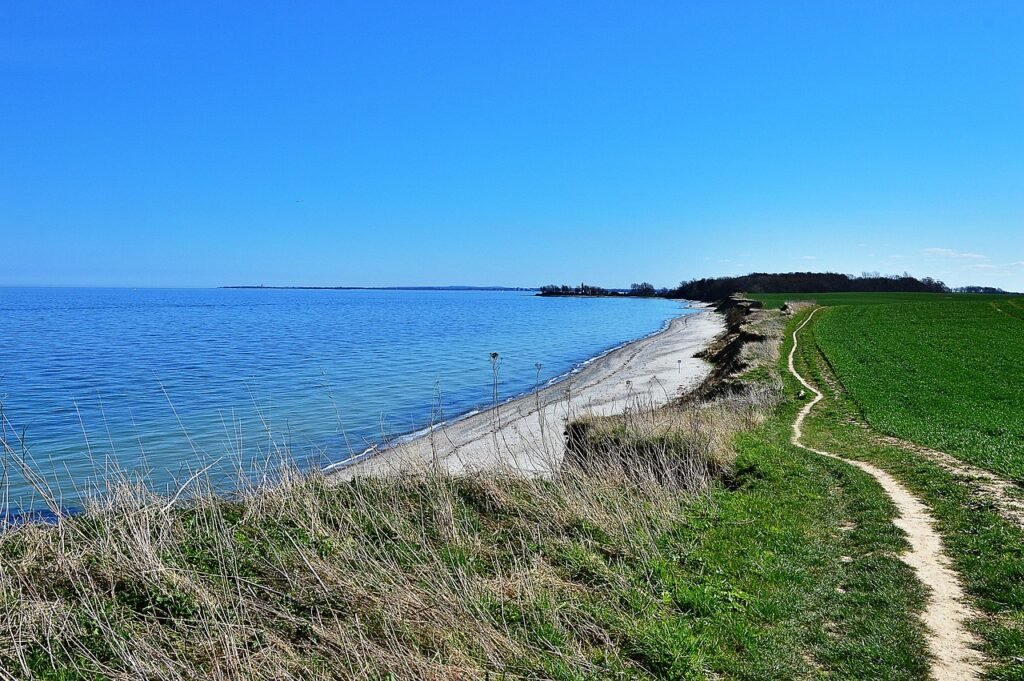
Sun, sand, and surf – the allure of beaches is undeniable. They are more than just picturesque landscapes; they are dynamic ecosystems, vibrant recreational hubs, and essential components of coastal economies. Whether you’re planning your next seaside escape, curious about beach ecology, or simply yearning for the calming sound of waves, this comprehensive guide will dive deep into the world of beaches.
Understanding Beach Formation and Types
Beaches aren’t just randomly placed stretches of sand; they are the result of complex geological and oceanic processes. Understanding these processes can enhance your appreciation for the diversity and fragility of these coastal environments.
The Science Behind Sandy Shores
- Erosion and Deposition: Beaches are primarily formed through erosion and deposition. Waves, tides, and currents wear away rocks and other materials, transporting them elsewhere. When the energy of these forces diminishes, the sediment is deposited, creating beaches.
- Sediment Sources: The materials that make up a beach can come from various sources, including rivers, cliffs, and even offshore deposits. The composition of the sediment significantly impacts the beach’s color and texture. For example, black sand beaches like Punalu’u Beach in Hawaii are formed from volcanic rock.
- Beach Dynamics: Beaches are constantly changing due to the ongoing interaction of wind, waves, and tides. During storms, beaches can experience significant erosion, while calmer periods allow for sediment accumulation and rebuilding.
- Example: A classic example is the formation of barrier islands along the Outer Banks of North Carolina. These islands are created by the continuous deposition of sand by ocean currents, offering protection to the mainland from storm surges.
Different Types of Beaches
Not all beaches are created equal. They can be classified based on sediment type, location, and wave action.
- Sandy Beaches: These are the most common type, composed mainly of sand grains, typically quartz or feldspar. They are often found in areas with moderate wave energy.
- Pebble Beaches: Characterized by larger, rounded stones. These beaches often experience higher wave energy and are less prone to erosion than sandy beaches.
- Shell Beaches: These beaches are rich in shells and shell fragments, often located in areas with abundant marine life.
- Rocky Beaches: Dominated by rocks and boulders. They provide habitat for many intertidal organisms and are often found in areas with strong wave action.
- Mudflats: Found in sheltered coastal areas, such as estuaries. They are composed of fine sediment and are important feeding grounds for shorebirds.
Beach Activities and Recreation
Beaches offer a plethora of recreational activities, catering to diverse interests and fitness levels.
Popular Water Sports
- Swimming: A classic beach activity, but always be aware of currents and tides. Look for designated swimming areas patrolled by lifeguards.
- Surfing: Riding the waves is a thrilling experience. Popular surfing destinations include Huntington Beach, California (Surf City USA), and Bondi Beach, Australia.
- Paddleboarding: Stand-up paddleboarding (SUP) offers a great workout while enjoying the scenery. It’s suitable for calm waters and is becoming increasingly popular.
- Kayaking and Canoeing: Explore the coastline from a different perspective. Many beaches offer rentals and guided tours.
- Snorkeling and Scuba Diving: Discover the underwater world. Coral reefs and rocky outcrops are prime snorkeling and diving spots. Locations like the Great Barrier Reef in Australia are world-renowned.
On-Land Activities
- Beach Volleyball: A fun and social activity that can be enjoyed by all skill levels.
- Sunbathing: Relax and soak up the sun’s rays. Remember to use sunscreen to protect your skin.
- Beachcombing: Search for shells, sea glass, and other treasures washed ashore.
- Building Sandcastles: A creative and engaging activity for all ages.
- Picnics: Enjoy a meal with a view. Pack a cooler with food and drinks and find a scenic spot on the beach.
Safety Tips for Beach Activities
- Swim in designated areas patrolled by lifeguards.
- Be aware of rip currents and know how to escape them (swim parallel to the shore).
- Wear sunscreen, sunglasses, and a hat to protect yourself from the sun.
- Stay hydrated by drinking plenty of water.
- Supervise children closely near the water.
- Check weather forecasts and tide charts before heading to the beach.
Protecting Our Beaches: Conservation Efforts
Beaches are fragile ecosystems facing numerous threats, including pollution, coastal development, and climate change. Conservation efforts are essential to preserve these invaluable resources.
Threats to Beach Ecosystems
- Pollution: Plastic waste, oil spills, and agricultural runoff contaminate beach environments, harming marine life and degrading water quality.
- Coastal Development: Construction of buildings and infrastructure can disrupt natural beach processes, leading to erosion and habitat loss.
- Climate Change: Rising sea levels and increased storm intensity exacerbate coastal erosion, threatening beach ecosystems and coastal communities.
- Overfishing: The depletion of fish populations can disrupt the balance of marine ecosystems, impacting beach health.
Conservation Strategies
- Beach Cleanups: Organized beach cleanups remove litter and debris, improving the health and aesthetics of beaches. Organizations like the Surfrider Foundation often coordinate these events.
- Coastal Zone Management: Implementing sustainable coastal zone management policies can help regulate development and protect sensitive habitats.
- Habitat Restoration: Restoring degraded coastal habitats, such as dunes and mangroves, can enhance coastal resilience and provide valuable ecosystem services.
- Sustainable Tourism: Promoting responsible tourism practices can minimize the environmental impact of tourism activities.
- Reducing Plastic Use: Making conscious efforts to reduce the use of single-use plastics helps to significantly reduce pollution, saving marine wildlife.
How You Can Help
- Reduce your plastic consumption.
- Participate in beach cleanups.
- Support organizations working to protect coastal environments.
- Choose sustainable tourism options.
- Educate others about the importance of beach conservation.
Exploring Some of the World’s Most Beautiful Beaches
From tropical paradises to rugged coastlines, the world is home to an array of stunning beaches. Here are a few examples:
Iconic Beaches Around the Globe
- Whitehaven Beach, Australia: Known for its pristine white silica sand and turquoise waters. Accessible by boat, seaplane, or helicopter from Airlie Beach and Hamilton Island.
- Anse Source d’Argent, Seychelles: Famous for its dramatic granite boulders and shallow, clear waters. Often ranked among the most beautiful beaches in the world.
- Bora Bora, French Polynesia: A volcanic island surrounded by a lagoon and barrier reef. Its luxurious resorts and crystal-clear waters make it a popular honeymoon destination.
- Navagio Beach (Shipwreck Beach), Greece: Accessible only by boat, this beach is famous for the shipwreck that lies on its shores. The contrast between the turquoise water and the rusty ship creates a unique spectacle.
- Miami Beach, Florida, USA: Famous for its art deco architecture, vibrant nightlife, and miles of sandy beaches. South Beach is a particularly popular destination.
Hidden Gems
- Hidden Beach, Marietas Islands, Mexico: A secluded beach located within a collapsed cave, accessible only by swimming through a tunnel. Requires permits.
- Cathedral Cove, New Zealand: Features a naturally formed archway connecting two sandy bays. Accessible by foot or kayak.
- Pink Sands Beach, Bahamas: As the name suggests, this beach is known for its pink-hued sand, created by crushed coral and shells.
Planning Your Perfect Beach Vacation
A well-planned beach vacation can be a truly unforgettable experience. Here are some tips to help you make the most of your trip.
Choosing the Right Beach
- Consider your interests: Are you looking for relaxation, adventure, or a combination of both? Some beaches are better suited for certain activities, such as surfing, snorkeling, or sunbathing.
- Think about the time of year: Consider the weather conditions and tourist seasons when planning your trip. Shoulder seasons (spring and fall) often offer pleasant weather and fewer crowds.
- Read reviews and do your research: Look for reliable sources of information, such as travel guides and online reviews, to get an idea of what to expect from different beaches.
Packing Essentials
- Sunscreen: Choose a broad-spectrum sunscreen with an SPF of 30 or higher.
- Sunglasses: Protect your eyes from the sun’s glare.
- Hat: A wide-brimmed hat can provide shade and protect your face and neck.
- Swimsuit: Pack at least two swimsuits so you always have a dry one available.
- Beach towel: A quick-drying microfiber towel is a great option.
- Flip-flops or sandals: Comfortable footwear for walking on the beach.
- Water bottle: Stay hydrated by drinking plenty of water.
- Beach bag: A large bag to carry all your essentials.
- Insect repellent: Protect yourself from mosquitoes and other biting insects.
Budgeting for Your Trip
- Transportation: Consider the cost of flights, rental cars, and local transportation.
- Accommodation: Beachfront hotels and resorts tend to be more expensive than accommodations located further inland.
- Food and drinks: Factor in the cost of meals, snacks, and beverages.
- Activities: Budget for any activities you plan to participate in, such as surfing lessons, snorkeling tours, or boat trips.
- Souvenirs: Set aside some money for souvenirs and gifts.
Conclusion
Beaches are vital ecosystems, recreational havens, and economic drivers. From understanding their formation to appreciating their diversity and actively participating in their conservation, we can all contribute to preserving these precious coastal environments. So, whether you’re a seasoned beachcomber or a first-time visitor, remember to respect the environment and enjoy the magic that beaches offer. By following the tips and insights outlined in this guide, you can ensure a safe, enjoyable, and meaningful beach experience.