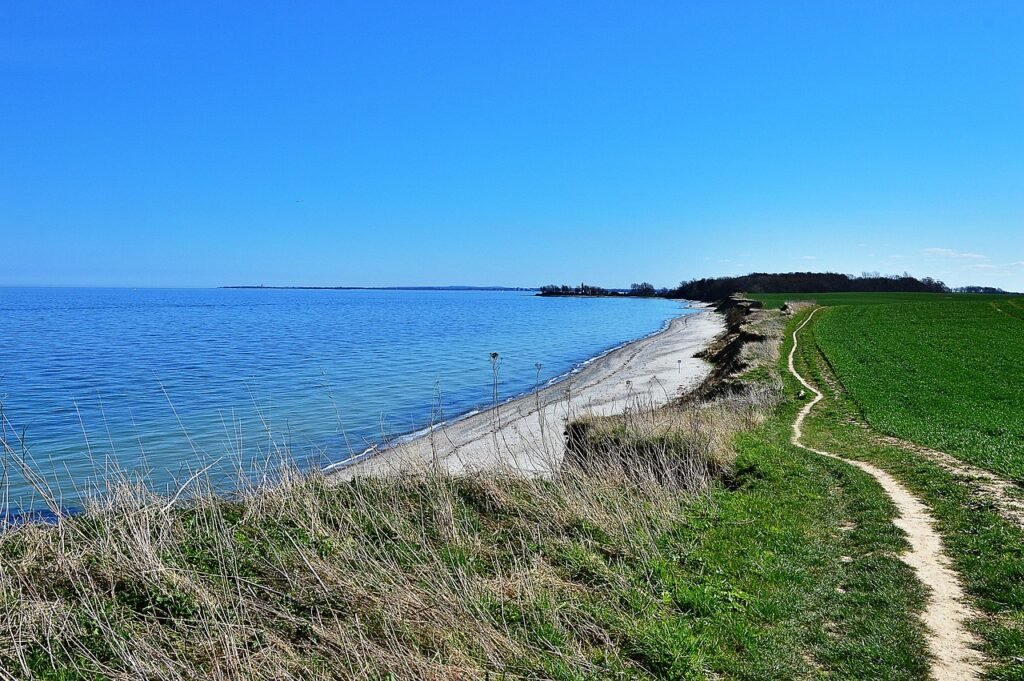
Imagine sinking your toes into warm, powdery sand, the rhythmic crash of waves serenading your senses, and the sun kissing your skin. Beaches, those alluring stretches of coastline, offer more than just picturesque views; they are havens for relaxation, recreation, and rejuvenation. Whether you’re a seasoned surfer, a family seeking a memorable vacation, or simply in need of a tranquil escape, the world’s beaches beckon with promises of unforgettable experiences. Let’s dive into the captivating world of beaches and explore everything they have to offer.
The Allure of Beaches: More Than Just Sand and Sea
Beaches hold a universal appeal, attracting millions of visitors each year. But what is it that makes them so irresistible? It’s a combination of factors, from the tangible benefits of fresh air and sunshine to the intangible allure of tranquility and escape.
Psychological and Physical Benefits
Spending time at the beach offers a wealth of benefits for both your physical and mental well-being:
- Stress Reduction: The sound of waves has been shown to lower stress hormones like cortisol.
- Vitamin D Boost: Sunlight helps your body produce Vitamin D, essential for bone health and immune function.
- Improved Sleep: Exposure to natural light helps regulate your circadian rhythm, leading to better sleep.
- Increased Physical Activity: From swimming and surfing to beach volleyball and simply walking along the shore, beaches encourage physical activity.
- Enhanced Mood: The combination of sunshine, fresh air, and natural beauty can significantly boost your mood and reduce symptoms of depression and anxiety.
Economic Impact of Beach Tourism
Beach tourism contributes significantly to local and national economies. Consider these points:
- Revenue Generation: Beaches attract tourists who spend money on accommodation, food, activities, and souvenirs, boosting local businesses.
- Job Creation: Beachfront businesses, such as hotels, restaurants, and surf schools, provide employment opportunities for local residents.
- Property Values: Proximity to beaches often increases property values, benefiting homeowners and generating tax revenue for local governments.
- Supporting Infrastructure: Tourism revenue helps fund the maintenance and improvement of beach infrastructure, such as restrooms, parking areas, and boardwalks.
Types of Beaches: A World of Diversity
Beaches are not all created equal. They vary dramatically in terms of sand color, wave conditions, and surrounding landscape. Understanding these differences can help you choose the perfect beach for your next vacation.
Sandy Beaches: Classic Coastal Retreats
Sandy beaches, characterized by their fine grains of sand, are perhaps the most iconic type of beach.
- White Sand Beaches: Often found in tropical regions, white sand beaches are formed from eroded coral and shells. Example: Grace Bay Beach, Turks and Caicos.
- Black Sand Beaches: These beaches are formed from volcanic rock and offer a dramatic and unique landscape. Example: Punalu’u Black Sand Beach, Hawaii.
- Golden Sand Beaches: The most common type of sandy beach, characterized by its golden hue. Example: Bondi Beach, Australia.
Pebble and Rocky Beaches: Rugged Coastal Beauty
Instead of sand, pebble and rocky beaches are covered in smooth stones and rocks.
- Unique Ambiance: Offer a more rugged and less crowded experience compared to sandy beaches.
- Good for Exploration: Excellent for tide pooling and exploring marine life.
- Example: Chesil Beach, UK
Shell Beaches: A Treasure Trove of Marine Life
Shell beaches are covered with a dense layer of shells, creating a unique and beautiful landscape.
- Biodiversity Hotspots: Often support diverse marine ecosystems.
- Beautiful Landscapes: The accumulation of shells creates interesting patterns and textures.
- Example: Shell Beach, Shark Bay, Australia. It’s estimated to contain over 120km of shells, and at some points, up to 10 meters deep.
Beach Activities: Fun for Everyone
Beaches offer a wide range of activities to suit all interests and ages. Whether you’re seeking adrenaline-pumping adventure or tranquil relaxation, you’ll find something to enjoy.
Water Sports
- Surfing: Ride the waves and experience the thrill of gliding across the water. Popular surfing destinations include:
Jeffreys Bay, South Africa: Known for its powerful right-hand point break.
Huntington Beach, California: Often called “Surf City USA.”
* Banzai Pipeline, Hawaii: Renowned for its massive and dangerous waves.
- Swimming: Enjoy a refreshing dip in the ocean.
- Snorkeling and Scuba Diving: Explore the underwater world and discover colorful coral reefs and marine life.
- Kayaking and Paddleboarding: Explore the coastline at your own pace and enjoy the scenery.
- Jet Skiing: For those seeking high-speed thrills.
Land-Based Activities
- Beach Volleyball: A classic beach game that’s fun for all skill levels.
- Sunbathing: Relax and soak up the sun’s rays.
- Building Sandcastles: A fun activity for kids and adults alike.
- Beachcombing: Search for seashells, sea glass, and other treasures.
- Picnics: Enjoy a meal with a view.
Beach Safety: Staying Safe in the Sun and Surf
While beaches offer endless opportunities for fun and relaxation, it’s crucial to prioritize safety.
Sun Safety
- Wear Sunscreen: Apply a broad-spectrum sunscreen with an SPF of 30 or higher at least 15 minutes before sun exposure and reapply every two hours, or more often if swimming or sweating.
- Wear Protective Clothing: Wear a hat, sunglasses, and long sleeves to protect your skin from the sun.
- Seek Shade: Seek shade during the hottest part of the day, typically between 10 a.m. and 4 p.m.
- Stay Hydrated: Drink plenty of water to prevent dehydration.
Water Safety
- Swim in Designated Areas: Only swim in areas that are designated for swimming and supervised by lifeguards.
- Be Aware of Rip Currents: Rip currents are powerful currents that can pull swimmers away from shore. If caught in a rip current, swim parallel to the shore until you’re out of the current, then swim back to shore.
- Never Swim Alone: Always swim with a buddy.
- Know Your Limits: Don’t overestimate your swimming ability.
- Obey Lifeguard Instructions: Lifeguards are there to keep you safe. Always follow their instructions.
Protecting Beach Environments
Beaches are fragile ecosystems that are vulnerable to pollution, erosion, and human activities.
- Reduce, Reuse, Recycle: Reduce your waste and recycle whenever possible.
- Dispose of Trash Properly: Dispose of all trash in designated receptacles.
- Leave Only Footprints: Take only memories and leave only footprints.
- Respect Wildlife: Observe wildlife from a distance and avoid disturbing their habitats.
- Support Sustainable Tourism: Choose eco-friendly tour operators and accommodations.
Conclusion
Beaches offer a unique combination of natural beauty, recreational opportunities, and health benefits. Whether you’re seeking adventure, relaxation, or simply a connection with nature, a beach vacation can provide an unforgettable experience. By understanding the different types of beaches, engaging in responsible activities, and prioritizing safety, you can ensure that your next beach trip is both enjoyable and sustainable. So, pack your bags, grab your sunscreen, and get ready to explore the wonders of the world’s beaches!