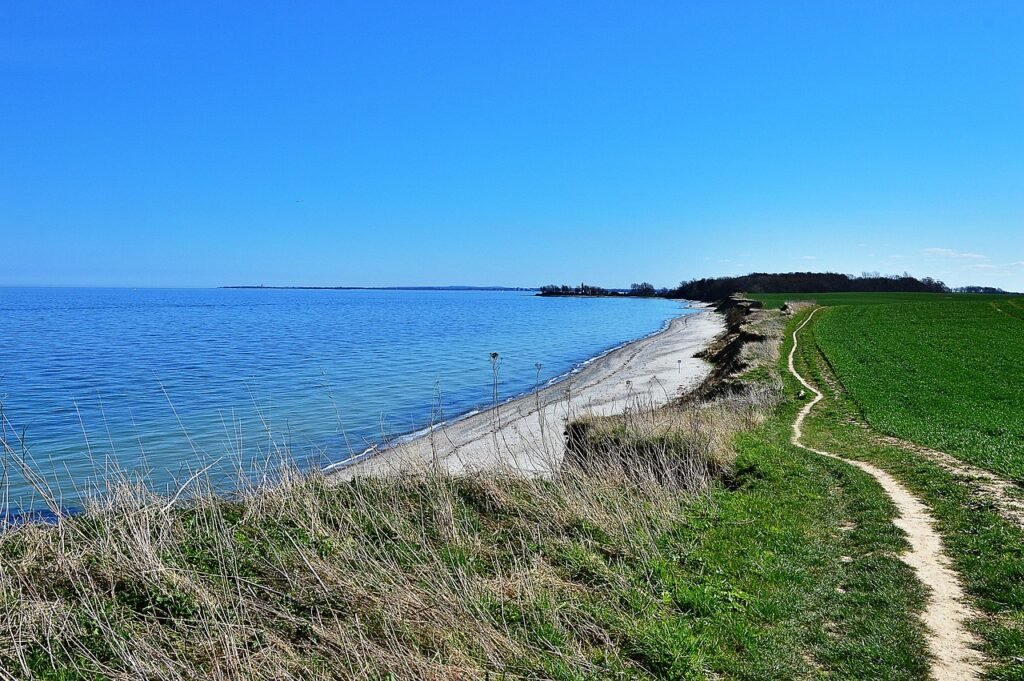
Sun, sand, and the soothing sound of waves – beaches hold a special allure, drawing millions of visitors each year. More than just picturesque landscapes, beaches offer diverse experiences, from adrenaline-pumping water sports to tranquil relaxation. This guide delves into the world of beaches, exploring their diverse characteristics, activities, and the crucial role they play in our ecosystem and recreation.
Discovering Different Types of Beaches
Sandy Beaches
- Description: These are the most familiar type of beach, characterized by soft, granular sand composed of eroded rock, coral, or shells. They’re ideal for sunbathing, building sandcastles, and leisurely walks.
- Examples: Waikiki Beach (Hawaii), Copacabana Beach (Brazil), Miami Beach (Florida)
- Fun Fact: The color of the sand depends on its composition. White sand often comes from coral, while black sand is usually volcanic in origin.
- Activities:
Sunbathing
Swimming
Surfing (where waves permit)
Beach volleyball
Sandcastle building
Pebble Beaches
- Description: Instead of sand, these beaches are covered in smooth, rounded pebbles. While not ideal for sunbathing, they offer unique visual appeal and a satisfying sound as the waves roll over them.
- Examples: Chesil Beach (UK), Pfeiffer Beach (California)
- Activities:
Rock collecting
Sea glass hunting
Photography
Enjoying the scenery and sounds
Rocky Beaches
- Description: Characterized by large rocks and tide pools, these beaches are havens for marine life. They’re great for exploring, but swimming can be dangerous due to the uneven terrain and strong currents.
- Examples: Acadia National Park (Maine), Big Sur (California)
- Activities:
Tide pooling
Wildlife observation
Hiking
Photography
Shell Beaches
- Description: Covered in millions of shells of varying sizes, these beaches are truly unique. The shells are usually brought in by tides and currents.
- Examples: Shell Beach (Shark Bay, Australia), Sanibel Island (Florida)
- Activities:
Shell collecting (check local regulations)
Photography
Enjoying the unique landscape
The Benefits of Visiting Beaches
Physical Health
- Vitamin D: Exposure to sunlight helps the body produce Vitamin D, essential for bone health and immune function.
- Exercise: Beaches offer opportunities for various physical activities, such as swimming, walking, surfing, and beach volleyball.
- Improved Circulation: The cool water and gentle currents can improve blood circulation.
Mental Well-being
- Stress Reduction: The sound of the waves and the vastness of the ocean can have a calming effect, reducing stress and anxiety. A 2019 study published in Health & Place showed that exposure to “blue spaces” like the ocean is associated with lower psychological distress.
- Improved Mood: The fresh air and sunshine can boost mood and promote feelings of relaxation and happiness.
- Mindfulness: The sensory experience of the beach – the sound of the waves, the feel of the sand, the smell of the ocean – can encourage mindfulness and presence.
Environmental Awareness
- Connection with Nature: Beaches provide a direct connection to the natural world, fostering appreciation and awareness of environmental issues.
- Learning Opportunities: Exploring tide pools and observing marine life can be educational experiences for all ages.
- Motivating Conservation: Experiencing the beauty and fragility of coastal ecosystems can inspire individuals to become more environmentally conscious and take action to protect our beaches.
Beach Safety: Essential Tips
Water Safety
- Swim in designated areas: Always swim in areas supervised by lifeguards.
- Be aware of currents and tides: Check the local conditions before entering the water. Rip currents are particularly dangerous, so learn how to identify and escape them. If caught in a rip current, swim parallel to the shore until you’re out of it, then swim back to shore.
- Never swim alone: Always swim with a buddy.
- Avoid swimming after consuming alcohol: Alcohol impairs judgment and coordination, increasing the risk of drowning.
Sun Safety
- Apply sunscreen liberally and frequently: Use a broad-spectrum sunscreen with an SPF of 30 or higher and reapply every two hours, or more often if swimming or sweating.
- Wear protective clothing: Cover up with a hat, sunglasses, and loose-fitting clothing to protect your skin from the sun’s harmful rays.
- Seek shade during peak sun hours: The sun is strongest between 10 a.m. and 4 p.m. Find shade under an umbrella, tree, or building during these hours.
- Stay hydrated: Drink plenty of water to prevent dehydration.
General Safety
- Be aware of your surroundings: Pay attention to potential hazards such as sharp rocks, broken glass, and marine life.
- Keep valuables secure: Don’t leave valuables unattended on the beach.
- Follow local regulations: Be aware of any rules or restrictions regarding beach access, swimming, and other activities.
- Report any emergencies to the authorities: If you witness an accident or other emergency, call 911 or your local emergency number.
Sustainable Beach Tourism
Reducing Your Environmental Impact
- Pack out what you pack in: Take all your trash with you and dispose of it properly.
- Use reusable water bottles and containers: Avoid single-use plastics.
- Choose reef-safe sunscreen: Conventional sunscreens can harm coral reefs. Look for sunscreens labeled “reef-safe” or “reef-friendly.”
- Respect wildlife: Observe marine life from a distance and avoid disturbing their habitat.
- Support local businesses: Choose local restaurants and shops that prioritize sustainability.
- Participate in beach cleanups: Volunteer your time to help clean up beaches and protect coastal ecosystems.
Supporting Responsible Tourism Initiatives
- Choose eco-friendly accommodations: Look for hotels and resorts that have implemented sustainable practices.
- Support tour operators that prioritize environmental conservation: Choose tour companies that follow responsible tourism principles.
- Educate yourself about local environmental issues: Learn about the challenges facing coastal ecosystems and support organizations working to address them.
- Advocate for sustainable policies: Contact your elected officials and urge them to support policies that protect beaches and coastal environments.
Conclusion
Beaches offer a unique blend of relaxation, recreation, and natural beauty. By understanding the different types of beaches, appreciating their benefits, practicing safety precautions, and embracing sustainable tourism practices, we can ensure that these precious coastal ecosystems are preserved for generations to come. Whether you’re seeking adventure, tranquility, or simply a connection with nature, a visit to the beach can be a truly enriching experience.