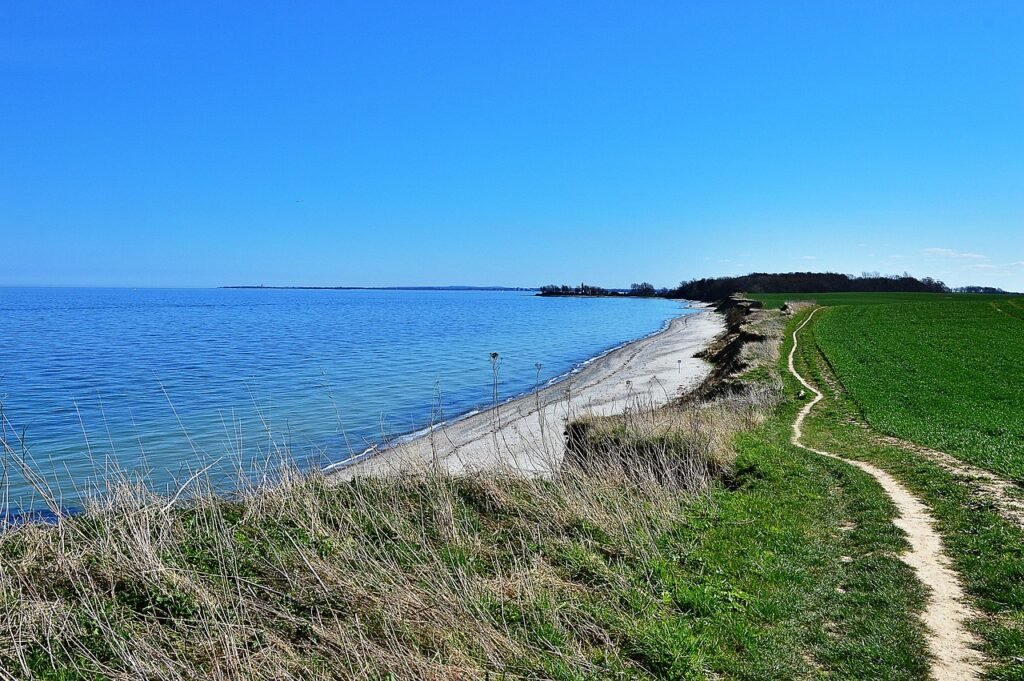
Imagine sinking your toes into warm, soft sand, the rhythmic crash of waves serenading your senses, and the salty breeze kissing your skin. Beaches, those magical interfaces between land and sea, offer an escape from the everyday, a chance to reconnect with nature, and a playground for adventure. Whether you’re seeking relaxation, recreation, or simply a stunning view, the world’s beaches hold something for everyone. Let’s dive into the captivating world of beaches and discover what makes them so irresistible.
Why We Love Beaches: More Than Just Sand and Sun
Beaches are more than just picturesque landscapes; they offer a multitude of benefits for our physical and mental well-being. The appeal lies in the combination of natural beauty, recreational opportunities, and therapeutic effects.
Physical Health Benefits
- Vitamin D Boost: Sun exposure (in moderation!) helps our bodies produce Vitamin D, crucial for bone health, immune function, and overall well-being.
- Exercise Opportunities: From swimming and surfing to beach volleyball and jogging, beaches offer a diverse range of physical activities. Even a leisurely stroll along the shoreline provides gentle exercise.
- Saltwater Therapy: Saltwater has natural antiseptic and anti-inflammatory properties, potentially benefiting skin conditions and promoting healing.
- Improved Sleep: Studies suggest that spending time in natural light during the day, as you often do at the beach, can regulate your circadian rhythm and improve sleep quality.
Mental and Emotional Well-being
- Stress Reduction: The sights and sounds of the ocean have a calming effect on the mind, reducing stress and anxiety. The repetitive motion of the waves is often described as meditative.
- Increased Creativity: Being surrounded by nature stimulates creativity and allows for moments of introspection and reflection.
- Mood Enhancement: Fresh air, sunshine, and the beautiful scenery contribute to a positive mood and a sense of well-being.
- Social Connection: Beaches are often gathering places for families and friends, fostering social interaction and a sense of community.
Exploring Different Types of Beaches
Not all beaches are created equal. They vary greatly in terms of their sand composition, water conditions, surrounding environment, and recreational opportunities.
Sandy Beaches
These are the most popular type of beach, characterized by fine, soft sand that is comfortable to walk on. The color of the sand can range from white to gold to black, depending on the minerals present.
- White Sand Beaches: Found in tropical regions with coral reefs, these beaches are known for their pristine beauty. Example: Whitehaven Beach, Australia.
- Golden Sand Beaches: These beaches are common in temperate climates and are often formed from quartz and feldspar. Example: Copacabana Beach, Brazil.
- Black Sand Beaches: Created from volcanic activity, these beaches have a dramatic and unique appearance. Example: Punalu’u Black Sand Beach, Hawaii.
Rocky Beaches
Rocky beaches are characterized by pebbles, stones, and boulders. They may not be ideal for sunbathing, but they offer unique opportunities for tide pooling, exploring marine life, and enjoying stunning coastal scenery. Example: Acadia National Park, Maine.
Shell Beaches
As the name suggests, these beaches are composed primarily of seashells. They are often found in areas with abundant marine life and can be visually stunning. Example: Shell Beach, Shark Bay, Australia.
Glass Beaches
Created from years of dumped glass being smoothed by the ocean, these unique beaches are a testament to nature’s transformative power. Example: Glass Beach, California.
Essential Beach Safety Tips
While beaches are a source of enjoyment, it’s crucial to prioritize safety to prevent accidents and injuries.
Water Safety
- Swim in Designated Areas: Always swim in areas supervised by lifeguards.
- Be Aware of Rip Currents: Rip currents are powerful channels of water flowing away from the shore. If caught in a rip current, swim parallel to the shore until you escape the current, then swim back to the beach.
- Check Water Conditions: Before entering the water, check for any warnings about strong currents, jellyfish, or other hazards.
- Never Swim Alone: Always swim with a buddy.
Sun Safety
- Apply Sunscreen: Use a broad-spectrum sunscreen with an SPF of 30 or higher and reapply every two hours, especially after swimming.
- Wear Protective Clothing: Wear a hat, sunglasses, and lightweight clothing to protect your skin from the sun.
- Seek Shade: Take breaks in the shade, especially during the hottest part of the day (10 am to 4 pm).
General Safety
- Stay Hydrated: Drink plenty of water throughout the day to prevent dehydration.
- Watch Out for Wildlife: Be aware of potentially dangerous marine life, such as jellyfish, stingrays, and sharks.
- Secure Your Belongings: Keep your valuables safe from theft.
- Be Mindful of the Environment: Dispose of your trash properly and avoid disturbing the natural habitat.
Beach Activities: Fun in the Sun and Sea
Beaches offer a wide array of activities for all ages and interests, from relaxing on the sand to engaging in thrilling water sports.
Relaxation and Recreation
- Sunbathing: Soak up the sun and enjoy the warmth on your skin.
- Swimming: Take a refreshing dip in the ocean or a nearby pool.
- Beachcombing: Search for seashells, sea glass, and other treasures along the shoreline.
- Picnics: Enjoy a meal with family and friends while surrounded by the beauty of the beach.
- Reading: Catch up on your favorite books while relaxing on the sand.
Water Sports
- Surfing: Ride the waves and experience the thrill of surfing.
- Snorkeling and Diving: Explore the underwater world and discover colorful coral reefs and marine life.
- Kayaking and Paddleboarding: Glide across the water and enjoy the scenery from a different perspective.
- Jet Skiing: Experience the adrenaline rush of jet skiing across the waves.
- Windsurfing and Kitesurfing: Harness the power of the wind and glide across the water.
Preserving Our Beaches: Conservation Efforts
Beaches are fragile ecosystems that are threatened by pollution, climate change, and human activity. It’s crucial to take steps to protect and preserve these valuable resources for future generations.
Reducing Pollution
- Proper Waste Disposal: Dispose of your trash properly in designated bins. Avoid littering on the beach or in the water.
- Reducing Plastic Use: Minimize your use of single-use plastics, such as bottles, bags, and straws.
- Supporting Clean-Up Efforts: Participate in beach clean-up events to remove litter and debris.
Combating Climate Change
- Reducing Your Carbon Footprint: Take steps to reduce your carbon footprint, such as using public transportation, conserving energy, and supporting sustainable businesses.
- Supporting Climate Action: Advocate for policies that address climate change and protect coastal ecosystems.
Responsible Tourism
- Respecting Wildlife: Avoid disturbing marine life or their habitats.
- Staying on Marked Trails: Stick to designated trails to avoid damaging sensitive ecosystems.
- Supporting Sustainable Tourism Practices: Choose eco-friendly accommodations and activities that minimize their impact on the environment.
Conclusion
Beaches are truly remarkable places, offering a unique combination of natural beauty, recreational opportunities, and therapeutic benefits. From the white sands of tropical paradises to the rugged coastlines of rocky shores, there’s a beach to suit every taste. By understanding the different types of beaches, prioritizing safety, engaging in responsible tourism, and supporting conservation efforts, we can ensure that these precious ecosystems continue to thrive for generations to come. So, pack your sunscreen, grab your towel, and get ready to experience the magic of the beach!