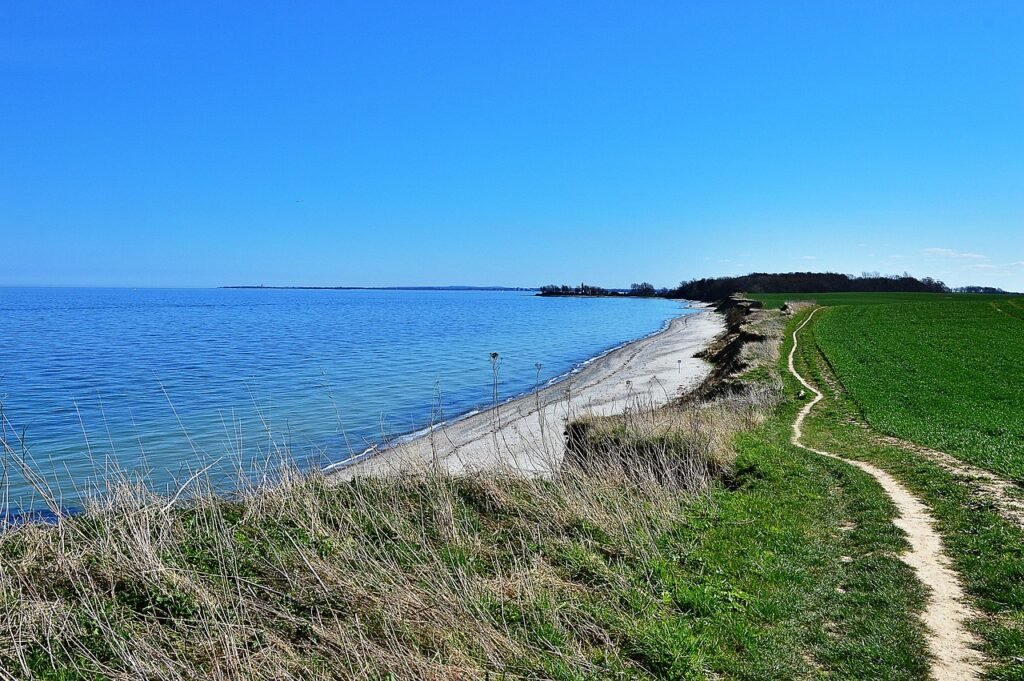
Sun, sand, and the soothing sound of waves – beaches are more than just picturesque landscapes; they’re vibrant ecosystems, havens for relaxation, and destinations offering a diverse range of activities. Whether you’re seeking a tranquil escape, an adventurous watersport experience, or simply a place to connect with nature, understanding the allure and science behind beaches can enhance your appreciation and enjoyment of these coastal treasures. This guide delves into the multifaceted world of beaches, exploring their formation, the activities they offer, and how to responsibly enjoy and protect these valuable environments.
The Formation and Types of Beaches
Beaches aren’t static entities; they’re dynamic environments shaped by natural forces. Understanding how beaches form and the different types that exist can provide a greater appreciation for their diversity.
Wave Action and Sediment Transport
- Wave Erosion: Waves relentlessly pound against the coastline, eroding rocks and cliffs over time. This process releases sediment – sand, pebbles, and shells – which are then transported and deposited along the shore.
- Longshore Drift: Waves approaching the shore at an angle create a current that runs parallel to the beach. This current, known as longshore drift, carries sediment along the coast, distributing it along the beach and contributing to its growth or erosion.
- Seasonal Changes: Beaches can dramatically change throughout the year. Winter storms often erode beaches, while calmer summer waves tend to rebuild them. This cyclical process contributes to the ever-changing landscape of the coastline.
Classifying Beaches: Sand, Pebble, and Shell
- Sandy Beaches: Composed primarily of sand grains, these are the most common type of beach. The sand’s color and composition vary depending on the source material. For example, white sand beaches are often composed of quartz, while black sand beaches are typically volcanic in origin (e.g., Punalu’u Black Sand Beach, Hawaii).
- Pebble Beaches: Characterized by rounded stones or pebbles, these beaches are often found in areas with strong wave action. Walking on pebble beaches can be challenging but the unique sound of the waves washing over the stones is a distinct experience. Chesil Beach in the UK is a prime example.
- Shell Beaches: Made up primarily of fragments of shells and coral, these beaches offer a unique texture and appearance. Shell beaches are often found in tropical regions with abundant marine life. Sanibel Island in Florida is renowned for its shell beaches.
Activities and Recreation on Beaches
Beaches offer a plethora of activities for all ages and interests, from relaxing in the sun to engaging in thrilling watersports.
Relaxation and Sunbathing
- The Benefits of Sunlight: Spending time in the sun allows your body to produce Vitamin D, which is essential for bone health and immune function.
- Sun Safety: Always use sunscreen with a high SPF (Sun Protection Factor) to protect your skin from harmful UV rays. Wear a hat and sunglasses to further shield yourself from the sun.
- Finding the Perfect Spot: Choose a location away from crowds and noise for a more relaxing experience. Consider the direction of the wind and the position of the sun when setting up your beach blanket or chair.
Watersports and Adventure
- Surfing: Riding the waves is a popular beach activity. Beginners can take lessons at many surf schools, while experienced surfers can seek out challenging breaks. Popular surfing beaches include Waikiki Beach, Hawaii, and Bells Beach, Australia.
- Swimming and Snorkeling: Many beaches offer calm, clear waters ideal for swimming and snorkeling. Look for designated swimming areas and be aware of currents and tides. The Great Barrier Reef in Australia offers incredible snorkeling opportunities.
- Kayaking and Paddleboarding: Explore the coastline from a different perspective with kayaking or paddleboarding. These activities offer a great workout and allow you to access secluded coves and beaches.
Beachcombing and Nature Exploration
- Collecting Shells and Sea Glass: Searching for treasures washed ashore is a relaxing and rewarding activity. Be mindful of local regulations regarding the collection of shells and other marine life.
- Wildlife Observation: Beaches are home to a variety of wildlife, including seabirds, crabs, and seals. Observe animals from a distance and avoid disturbing their natural habitat.
- Tide Pools: At low tide, explore tide pools to discover a fascinating array of marine creatures, such as starfish, sea anemones, and small fish.
Beach Safety and Responsible Behavior
Enjoying the beach responsibly is crucial for protecting yourself and the environment.
Water Safety Tips
- Swim in Designated Areas: Always swim in areas where lifeguards are present and follow their instructions.
- Be Aware of Currents and Tides: Understanding the tides and currents is essential for safe swimming. Rip currents can be dangerous, so learn how to identify and escape them.
- Never Swim Alone: Always swim with a buddy, especially in unfamiliar waters.
Protecting the Environment
- Leave No Trace: Pack out everything you pack in, including trash, food scraps, and beach toys.
- Avoid Disturbing Wildlife: Observe animals from a distance and avoid feeding them or disturbing their nests.
- Respect Beach Regulations: Follow local regulations regarding fires, camping, and the collection of shells and other marine life.
- Reduce Plastic Use: Bring reusable water bottles, shopping bags, and food containers to minimize plastic waste.
Sun Safety and First Aid
- Apply Sunscreen Regularly: Reapply sunscreen every two hours, or more frequently if swimming or sweating.
- Stay Hydrated: Drink plenty of water to prevent dehydration.
- Be Aware of Heatstroke and Heat Exhaustion: Know the signs and symptoms of heat-related illnesses and seek medical attention if necessary.
- Carry a Basic First Aid Kit: Include bandages, antiseptic wipes, pain relievers, and any personal medications you may need.
The Economic and Environmental Importance of Beaches
Beaches are not only recreational spaces but also vital economic drivers and essential components of coastal ecosystems.
Tourism and Economic Benefits
- Coastal Tourism: Beaches attract millions of tourists each year, contributing significantly to local economies through hotels, restaurants, and other businesses.
- Real Estate Values: Coastal properties with beach access often command higher prices, boosting property values and generating tax revenue.
- Job Creation: The tourism industry creates jobs in various sectors, including hospitality, recreation, and retail.
Coastal Protection and Ecosystem Services
- Natural Barriers: Beaches act as natural barriers, protecting coastal communities from storm surges and erosion.
- Habitat for Marine Life: Beaches provide habitat for a diverse range of marine organisms, including seabirds, turtles, and shellfish.
- Water Filtration: Sand dunes filter rainwater and help replenish groundwater supplies.
Threats to Beaches and Conservation Efforts
- Coastal Erosion: Rising sea levels and increased storm intensity are causing significant coastal erosion, threatening beaches and coastal infrastructure.
- Pollution: Plastic pollution, sewage runoff, and other forms of pollution can harm marine life and degrade beach quality.
- Climate Change: Climate change is exacerbating coastal erosion and contributing to the loss of beaches around the world.
- Conservation Efforts: Protecting beaches requires a multifaceted approach, including coastal management strategies, pollution control measures, and climate change mitigation efforts. Organizations like the Surfrider Foundation actively work to protect and preserve the world’s oceans and beaches.
Conclusion
Beaches are dynamic and valuable environments offering a wealth of opportunities for recreation, relaxation, and connection with nature. By understanding how beaches form, the activities they offer, and how to responsibly enjoy and protect them, we can ensure that these coastal treasures continue to thrive for generations to come. Remember to prioritize safety, respect the environment, and embrace the beauty and wonder that beaches provide.