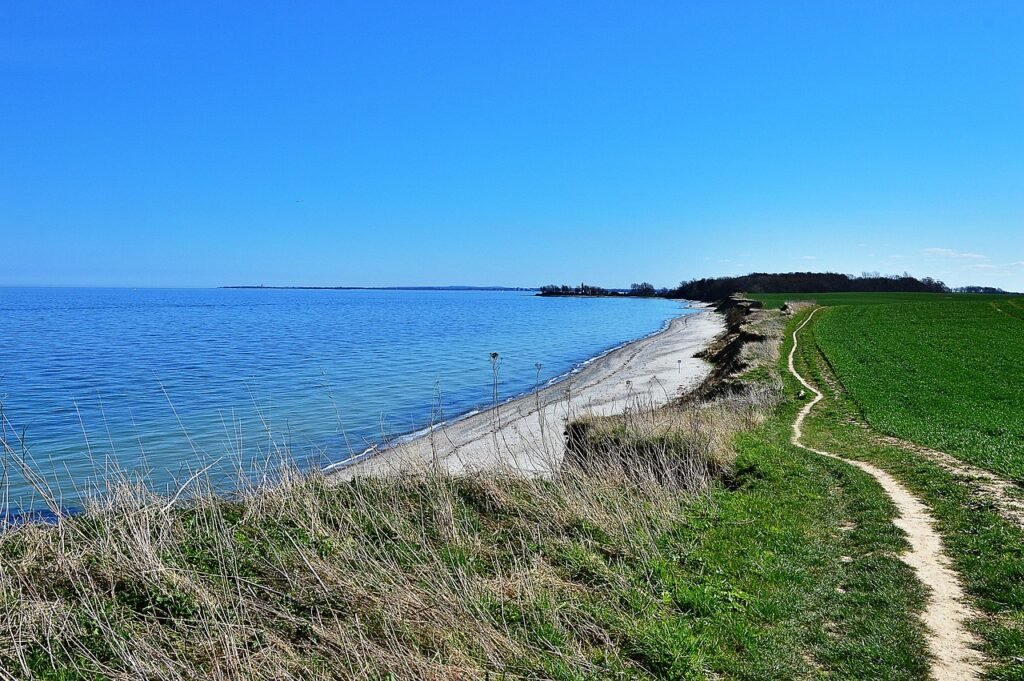
Imagine sinking your toes into warm, powdery sand, the rhythmic crash of waves providing a soothing soundtrack, and the sun kissing your skin. Beaches, those magical interfaces between land and sea, offer a unique escape from the everyday. From tranquil coves to bustling boardwalks, they cater to every taste and promise unforgettable experiences. This article delves into the fascinating world of beaches, exploring their diverse types, the science behind their formation, how to choose the perfect beach for your next getaway, and how to responsibly enjoy these precious coastal environments.
Understanding Beach Types
Beaches are not monolithic entities; they come in a stunning array of forms, each shaped by unique geological processes and environmental conditions. Understanding these variations can greatly enhance your appreciation and enjoyment.
Sandy Beaches
These are perhaps the most familiar type, composed primarily of sand particles derived from eroded rocks, shells, and even coral.
- Composition: The color and texture of the sand vary dramatically depending on the source material. White sand beaches, like those in the Caribbean, are often composed of finely ground coral and shells. Black sand beaches, found in volcanic regions like Hawaii and Iceland, are made from basalt.
- Popularity: Sandy beaches are often favored for swimming, sunbathing, and building sandcastles.
- Example: Clearwater Beach, Florida, is renowned for its pristine white sand and calm, clear waters, consistently ranking among the top beaches in the United States.
Pebble Beaches
Instead of sand, pebble beaches are covered with rounded stones, ranging in size from small pebbles to larger cobbles.
- Formation: These beaches are typically found in areas with high-energy wave action, which rounds and sorts the stones over time.
- Considerations: Walking on pebble beaches can be challenging but offers a unique sensory experience. The lack of fine sand can be a benefit for those who dislike sandy feet.
- Example: Chesil Beach in Dorset, England, is a spectacular example of a pebble beach, stretching for 18 miles along the coastline.
Shell Beaches
As the name suggests, shell beaches are characterized by a high concentration of seashells and shell fragments.
- Ecology: These beaches are often biologically rich, providing habitat for various marine organisms.
- Aesthetics: Shell beaches can be incredibly beautiful and are popular spots for shell collecting.
- Example: Shell Beach on Shark Bay, Western Australia, is composed almost entirely of tiny cockle shells, accumulated over thousands of years.
Rocky Beaches
Rocky beaches feature large rocks and boulders, creating dramatic landscapes and unique ecological niches.
- Accessibility: These beaches may be less suitable for swimming and sunbathing but offer excellent opportunities for tide pooling and exploring marine life.
- Formation: Rocky beaches are often found in areas with resistant bedrock and strong wave action.
- Example: Acadia National Park in Maine boasts a rugged coastline with numerous rocky beaches, offering stunning views and opportunities for wildlife observation.
The Science Behind Beach Formation
Beaches are dynamic environments constantly shaped by natural forces. Understanding the processes that create and maintain beaches is crucial for appreciating their beauty and protecting them for future generations.
Wave Action
Waves are the primary force shaping beaches.
- Erosion: Waves erode coastal cliffs and rocks, breaking them down into smaller particles that eventually form sand.
- Transportation: Waves transport sand along the coastline, creating and reshaping beaches.
- Deposition: Waves deposit sand in sheltered areas, forming beaches and sandbars.
Tides
Tides play a significant role in beach morphology.
- Intertidal Zone: The area between high and low tide marks is known as the intertidal zone, a dynamic environment that is home to a diverse array of marine organisms.
- Beach Width: Tides influence the width of the beach and the extent of the intertidal zone.
Wind
Wind can also contribute to beach formation.
- Sand Dunes: Wind can transport sand inland, forming sand dunes that protect coastal areas from erosion.
- Aeolian Processes: The wind driven transport of sand also helps redistribute finer sand particles across the beach surface, contributing to its overall composition and appearance.
Longshore Drift
This is the movement of sand along the coastline, driven by waves approaching the shore at an angle.
- Beach Formation: Longshore drift can create long, narrow beaches and sand spits.
- Coastal Erosion: Disruptions to longshore drift can lead to coastal erosion in some areas.
Choosing the Perfect Beach for Your Getaway
Selecting the right beach for your vacation can make all the difference. Consider your interests, needs, and preferences when making your decision.
Activities
- Swimming: Look for beaches with calm, clear waters and gentle slopes.
- Surfing: Seek out beaches with strong waves and consistent surf breaks.
- Sunbathing: Choose beaches with soft sand and ample sunshine.
- Snorkeling/Diving: Opt for beaches with coral reefs or rocky outcroppings.
- Water Sports: Consider beaches with facilities for kayaking, paddle boarding, and jet skiing.
Amenities
- Lifeguards: Vital for swimmer safety, especially when travelling with children or those less confident in the water.
- Restrooms and Showers: Essential for comfort and convenience.
- Food and Drinks: Check for nearby restaurants, cafes, or beachside vendors.
- Parking: Ensure adequate parking is available, especially during peak season.
- Accessibility: Consider accessibility for individuals with disabilities.
Crowd Levels
- Popular Beaches: Expect larger crowds during peak season, especially on weekends and holidays.
- Secluded Beaches: If you prefer a more tranquil experience, seek out less-crowded beaches in remote locations.
Practical examples:
- Family Fun: Myrtle Beach, South Carolina, offers a wide range of family-friendly activities, including amusement parks, mini-golf, and live entertainment.
- Romantic Getaway: The beaches of the Maldives provide secluded villas, crystal-clear waters, and breathtaking sunsets.
- Adventure Travel: Costa Rica’s beaches offer opportunities for surfing, zip-lining, and exploring rainforests.
Protecting Our Beaches: Responsible Beach Tourism
Beaches are fragile ecosystems that are vulnerable to human impact. Practicing responsible beach tourism is essential for preserving these valuable resources for future generations.
Reduce Waste
- Pack it in, pack it out: Take all your trash with you when you leave the beach.
- Avoid single-use plastics: Bring reusable water bottles, food containers, and shopping bags.
- Participate in beach cleanups: Volunteer to help remove litter and debris from the beach.
Respect Wildlife
- Observe from a distance: Avoid disturbing nesting birds, sea turtles, and other marine animals.
- Do not feed wildlife: Feeding animals can disrupt their natural behavior and make them dependent on humans.
- Be aware of nesting seasons: Avoid walking on dunes or disturbing vegetation during nesting seasons.
Minimize Your Impact
- Use reef-safe sunscreen: Chemical sunscreens can damage coral reefs.
- Avoid touching coral: Coral is fragile and easily damaged.
- Stay on marked trails: Avoid trampling vegetation and disturbing sensitive habitats.
- Support sustainable tourism practices: Choose eco-friendly accommodations and tour operators.
Data and Statistics
- According to the EPA, 80% of marine debris comes from land-based sources.
- Plastic pollution kills an estimated 100,000 marine animals each year.
- Coral reefs are declining at an alarming rate due to climate change and pollution.
Conclusion
Beaches are more than just stretches of sand; they are dynamic ecosystems, captivating landscapes, and vital recreational spaces. By understanding their formation, choosing the right beach for your needs, and practicing responsible tourism, we can ensure that these beautiful environments continue to inspire and delight for generations to come. So, pack your bags, grab your sunscreen, and embark on an unforgettable beach adventure, knowing that you are contributing to the preservation of these precious coastal treasures.